







Read news
Add bookmark
POPULAR
How Much Do Experts’ Ideas Matter for the European Union’s Political Agenda?Kalypso Nicolaidis: I Want a Woodstock for European PoliticsOil? Gas? Fertilizer? Just Life.How the “virtues” of neoliberal globalization paved the way to its demiseWhy capitalism is fundamentally undemocraticZionists, lawfare and the malady called revengeEuropean Unity in the Interests of Security. Split along the North-South LineRegular Ones Made IrregularEurope Still Needs China: Washington is the Main ThreatMagyar’s Mandate
Six conclusions from the post-electoral situation in Hungary. Spoiler: the new authorities will need to build a relationship with Russia.
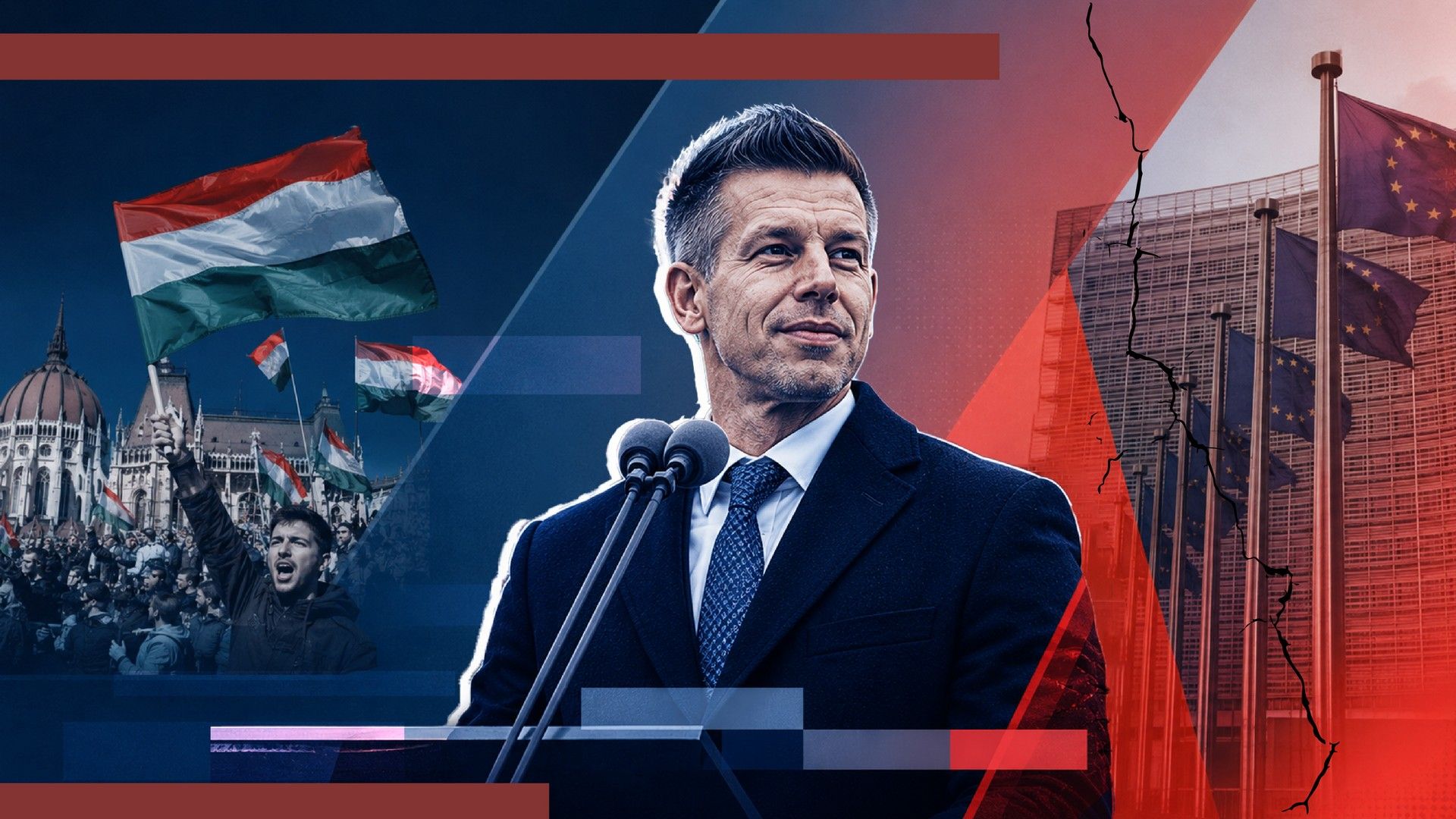
In May 2026, Péter Magyar became prime minister of Hungary. After 16 years of Viktor Orbán’s illiberal rule, the opposition’s victory could not come soon enough for European leaders.
But whether Hungary’s ‘reset’ can materialize on the European and world stage will hinge on the success of Magyar’s narrower agenda to bring domestic change.
This matter was examined by Piotr Buras, head of the Warsaw office of the European Council on Foreign Relations (ECFR), and senior policy fellow Pawel Zerka.
Magyar was brought to power in a nationwide backlash against his predecessor’s undemocratic practices – and by promising to serve as the voice of the people. Should he and his Tisza party disappoint that political energy or appear to neglect Hungarians’ will, they could see their popularity dwindle and the parliamentary majority break up.
Magyar’s popular mandate is therefore key to keeping the country’s political future on track. To better understand it, ECFR polled Hungarians a week after the election. This helped identify six reasons why Magyar could be in for some tough calls.
1. Hungarians voted against Orbán, not for Magyar
Hungarians largely voted for Tisza because they wanted a ‘change’, rather than voting for the party itself. The mere ousting of Orbán may have satisfied this in part. But voters want change beyond a specific policy or leader. Indeed, Magyar’s mandate may be weaker than the ecstatic images from election night might suggest.
For most voters, policy or leadership considerations thus came second to getting rid of Orbán. Now the real task for Magyar begins: defining his own vision for Hungary and getting his voters on board.
2. Domestic matters come first
Magyar has a strong mandate to prioritize putting Hungary’s own house in order. Hungarians across the political spectrum recognize that repairing their country – whether it is about improving the economic situation or the rule of law – will not be easy. That should give Magyar some leeway. But Donald Tusk’s short-lived popularity in Poland serves as a cautionary tale against not being quick enough.
3. Hungarians are pro-EU
Third, even if relatively few consider relations with the EU as a priority for their country, they do expect – and support – the new government to rebuild Hungary’s links with Brussels.
Nearly 80 percent nationally expect Hungary to improve relations within the EU under the new government. Almost as many expect Hungary to get access to the frozen EU recovery funds – even if a majority does not expect this to be easy.
4. Support for Ukraine has its limits
Magyar will have a mandate for improving relations with Ukraine, but this only goes so far. He lacks a mandate for more ambitious ways of supporting Ukraine. A majority would oppose his government unblocking the EU’s membership negotiations with Ukraine, and even Tisza voters are split on this matter. Majorities – both nationally and among Tisza voters – would oppose the new government supporting Ukraine financially and even greater numbers would be against military support.
5. A majority want to keep importing Russian energy
Then come Hungary’s relations with Russia, on which Hungary remains strongly reliant for energy imports. One of the big differences between the Tisza and Fidesz electorates is that the former rarely see energy security as one of the two most important issues facing Hungary – whereas this is consistently ‘the’ most important matter for Fidesz voters (as demonstrated by polls before and after the April 12th vote).
But even if energy security is not at the top of Tisza voters’ minds, its importance seems to be sinking in.
6. There is a (somewhat) progressive agenda
The final point concerns an ideological heterodoxy of Tisza voters. Several commentators were quick to suggest that Magyar and many of his voters are on the right of the political spectrum. Polling shows that most embrace key elements of the progressive agenda (e.g. on climate and LGBTQ+ rights). Yet this does not stop them from supporting traditional family policies, too.
So Budapest’s broader political reset will not seem legitimate to voters if Magyar does not first deliver on the narrower agenda of systemic change. This is the clear priority for Hungarians. If they are disappointed, there will be little goodwill left for him to bring about change in other policies, and Hungarians’ margin of trust in Magyar will not last long.
Source: https://ecfr.eu/article/magyars-mandate-six-insights-from-a-post-election-hungary/