





Security

Possible Irish Unification Could Create a Security Vacuum
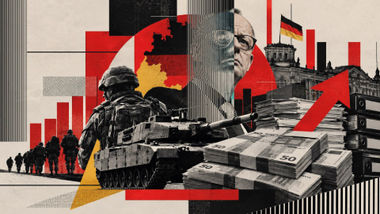 The German authorities want to ramp up Bundeswehr strength considerably but cannot yet decide how. Potential conscripts do not want to serve.
Will Germany Return to Mandatory Conscription?
The German authorities want to ramp up Bundeswehr strength considerably but cannot yet decide how. Potential conscripts do not want to serve.
Will Germany Return to Mandatory Conscription?
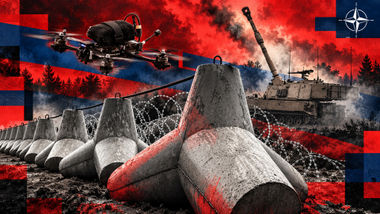 Especially ones already unsuitable for modern warfare.
Why Are They Building Fortifications on NATO’s Eastern Flank?
Especially ones already unsuitable for modern warfare.
Why Are They Building Fortifications on NATO’s Eastern Flank?
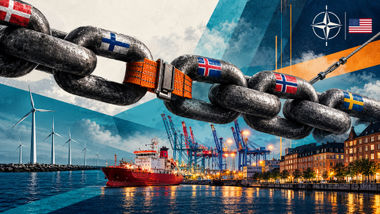 Will the EU bureaucrats agree to expand this experience to the whole continent?
The Nordics Are Building Their Own Security Shield
Will the EU bureaucrats agree to expand this experience to the whole continent?
The Nordics Are Building Their Own Security Shield
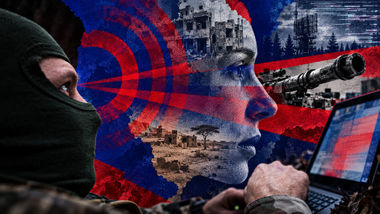 France has acknowledged that war is also fought in the minds. But it still lacks a doctrine to accommodate this finding.
France Late to Fight for Minds
France has acknowledged that war is also fought in the minds. But it still lacks a doctrine to accommodate this finding.
France Late to Fight for Minds
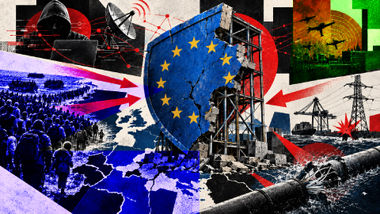 Europe considers itself a big league player. Two summer crises of 2006 showed that European capitals are still afraid of their own shadow.
Europe Playing a Power but Fearing a Punch
Europe considers itself a big league player. Two summer crises of 2006 showed that European capitals are still afraid of their own shadow.
Europe Playing a Power but Fearing a Punch
 Europe wants digital sovereignty. However, the key networks and chips still belong to non-European companies.
European Digital Sovereignty Sitting on Others’ Networks
Europe wants digital sovereignty. However, the key networks and chips still belong to non-European companies.
European Digital Sovereignty Sitting on Others’ Networks
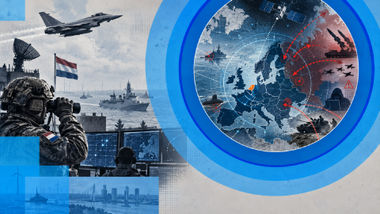 Prolonged and large-scale conflicts are becoming more likely, while military capabilities increasingly depend on factors external to the armed forces.
The Brink Between War and Peace Will Blur
Prolonged and large-scale conflicts are becoming more likely, while military capabilities increasingly depend on factors external to the armed forces.
The Brink Between War and Peace Will Blur
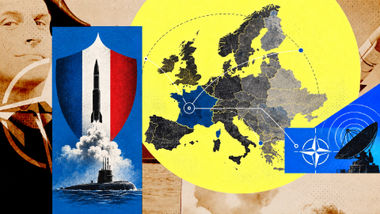 Subordinating the French nuclear forces to the U.S. nuclear umbrella is proposed – ostensibly to secure coordination and avoid diplomatic conflicts in the event of a crisis.
USA Wants to Draw France into the NATO-Wide Nuclear Deterrence System
Subordinating the French nuclear forces to the U.S. nuclear umbrella is proposed – ostensibly to secure coordination and avoid diplomatic conflicts in the event of a crisis.
USA Wants to Draw France into the NATO-Wide Nuclear Deterrence System
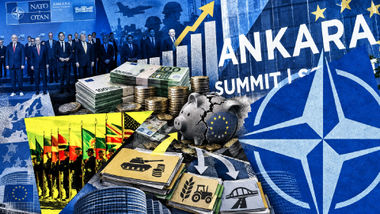 At the NATO summit un Ankara, European leaders agreed they should do more for their own defense. But Europe is so far unwilling to pay for it from its common budget.
Defense Promised. Budget Funding Withheld.
At the NATO summit un Ankara, European leaders agreed they should do more for their own defense. But Europe is so far unwilling to pay for it from its common budget.
Defense Promised. Budget Funding Withheld.
 When you talk about a bad life, I feel like in a movie or a TV series, we have practically standardized their presence without realizing how much they are better organized and with connections throughout Europe and the world.
The Silent Empire That Feeds Off Crime
When you talk about a bad life, I feel like in a movie or a TV series, we have practically standardized their presence without realizing how much they are better organized and with connections throughout Europe and the world.
The Silent Empire That Feeds Off Crime
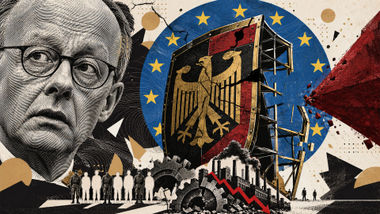 A leading expert in Franco-German relations makes a disparaging assessment of Germany’s capability and efforts to ramp up its own military power.
Friedrich Merz Sees Germany Significantly Larger than It Is
A leading expert in Franco-German relations makes a disparaging assessment of Germany’s capability and efforts to ramp up its own military power.
Friedrich Merz Sees Germany Significantly Larger than It Is
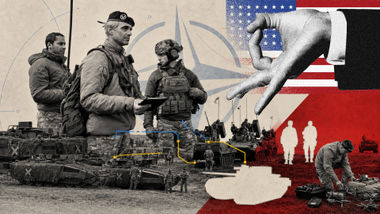
 What is proposed is to reduce the forces that could defend Europe directly – while preserving those supporting U.S. global power.
Military Drawdown from Europe but Continued Domination Called for in USA
What is proposed is to reduce the forces that could defend Europe directly – while preserving those supporting U.S. global power.
Military Drawdown from Europe but Continued Domination Called for in USA