







Read news
Add bookmark
About Rethinking Europa
The creation of the European Union stems from a deep need for commercial growth and the organization of resources, even though it is characterized by deep-rooted contradictions.
Its system pursues growth as a single social model, an advanced welfare system, universal public healthcare, and worker protection, strengthening global regulations with world-class standards in digital law (GDPR) and sustainability (Green Deal).
It also ensures greater visibility for tourism, promoting its vast historical, artistic, and linguistic heritage through “unity in diversity,” uniting countries and nations that have historically been rivals. Finally, it is undergoing an ecological transition with clear, global goals for decarbonization and the development of renewable energy.
These strengths also form the basis of its weaknesses, with deep political divisions that make decision-making processes slow and arduous. Its internal disparities are enormous: differences between the north and south, and the west and east of the continent.
Its aging population, its dependence on foreign countries, and its lack of raw materials, as well as its constant struggle to keep up with foreign tech giants.
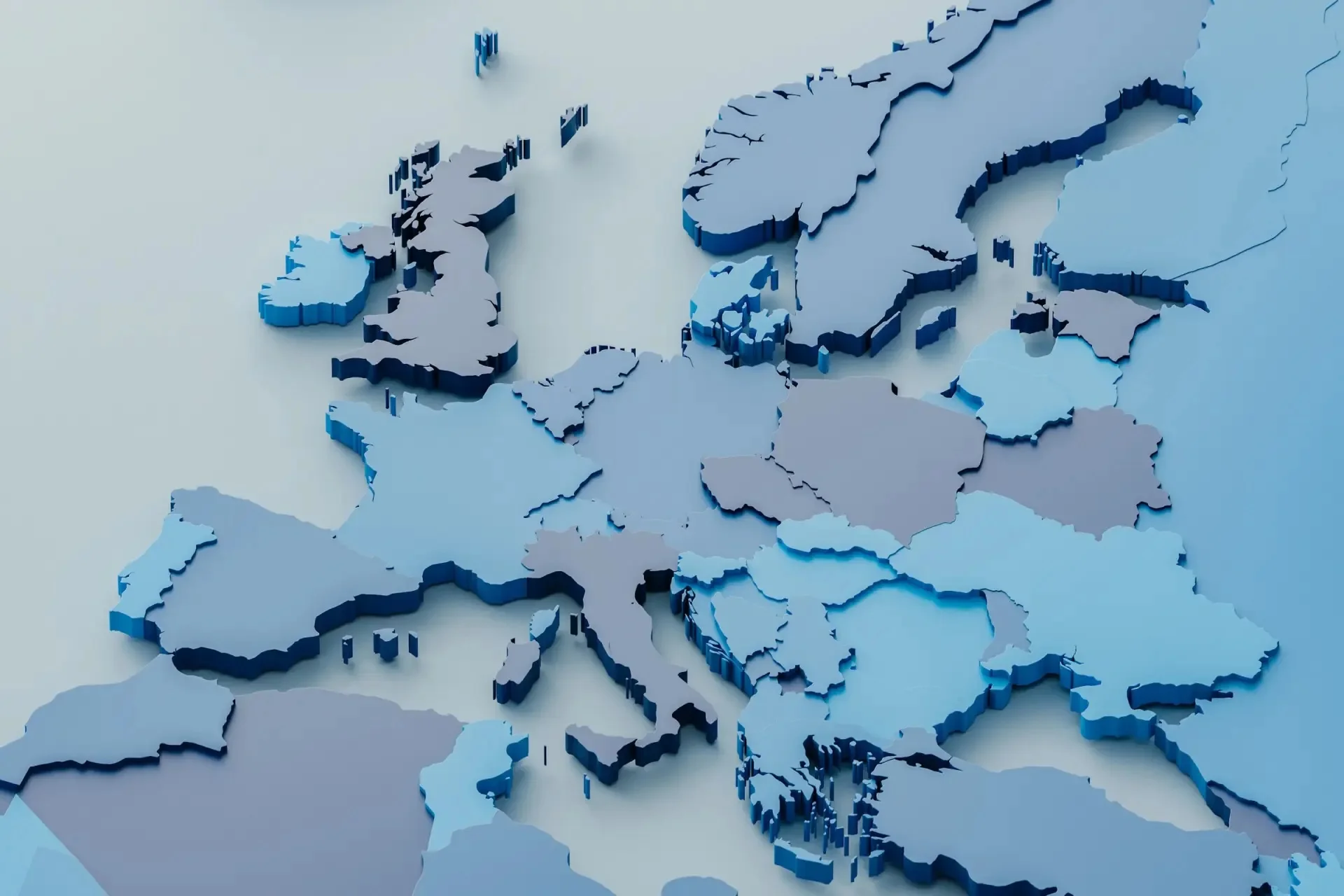
“Rethinking Europe” was born out of a desire to observe how political, social, economic, health, technological, climate, and energy processes are evolving—and how many of them are becoming increasingly complex to implement, leaving gaps that then reverberate throughout today’s society—while examining these developments in all their nuances.
These very nuances will be analyzed and discussed, fostering critical thinking and delving into topics that may seem simple—as they are often presented in the news today—but which, upon closer examination, reveal significant complexities regarding societal development and growth in urban centers. These developments are also the result of depopulation in small villages, which—in response to their dwindling populations—offer opportunities for various migrants to settle there. Yet these same migrants, while on the one hand they can integrate and become a living part of their communities, may also become “a problem” due to a lack of hospitality and information.
Energy policies are also among the issues the EU must address concretely and with high priority, as we will explore in more detail in other articles,
with information regarding heat waves and their devastating effects on people’s health, as well as evidence of failures in urban planning, alternative energy sources, and the economic resources allocated to these issues—not to mention cuts to healthcare.
Rethinking Europe must be constructive, addressing issues in a way that can have a positive impact on all our readers.
E-mail: info@rethinking-europa.info