







Read news
Add bookmark
POPULAR
How Much Do Experts’ Ideas Matter for the European Union’s Political Agenda?Oil? Gas? Fertilizer? Just Life.SpaceX IPO: “The share price rose when the market opened, but watch out in a couple of weeks”Europe Again Racing After a Train That Has Long LeftKalypso Nicolaidis: I Want a Woodstock for European PoliticsHow the “virtues” of neoliberal globalization paved the way to its demiseAn Illusion of Managed Interdependence. A Transatlantic Tech PartnershipEurope Increasingly Dependent on the USA in SpaceEurope Still Needs China: Washington is the Main ThreatEuropean Digital Sovereignty Sitting on Others’ Networks
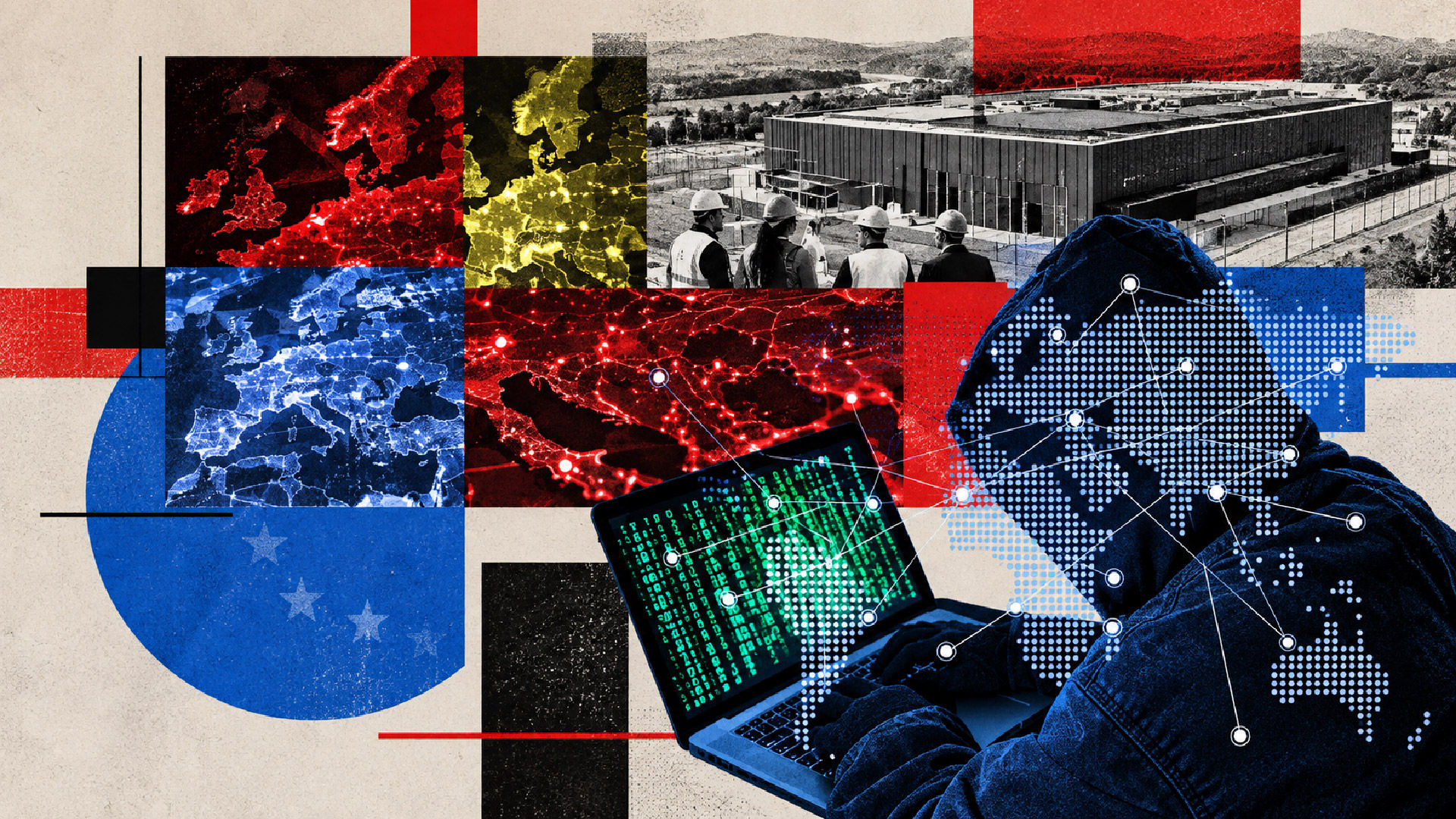
In their article entitled European Resilience in Digital Infrastructure: The Changing Nature of State-Business Relations that appeared in War on the Rocks, a U.S. publication, Michiel Foulon from the University of Antwerp and Ivan Zaccagnini from the Center for Security Studies at ETH Zurich show where the State-to-business coupling breaks. As Russian strikes degraded Ukraine’s terrestrial communications infrastructure, Kyiv got increasingly hooked on SpaceX’s Starlink satellite constellation. It has no alternative in Europe. Should access be banned, command and control, drone operations, and artillery fire coordination will all be disrupted.
The authors call this a new norm – with the critical infrastructure privately owned and embedded in others’ chains. Such dependencies can be weaponized, and this is particularly hard on Europe. More than 80 percent of its critical digital products, services, infrastructure, and intellectual property come from outside. The 2023 Chips Act promised to raise the union’s share from 10 to 20 percent by 2030. But in December 2025 the Court of Auditors established that the target had not been met, with the figure still holding around 10 percent and businesses lamenting the rules. In 2025, industry pressure led the Commission to postpone some AI obligations till December 2027.
Three sectors show why subsidies alone are not enough. In the defense area, sensors, clouds, drones, and satellites live in commercial contracts rather than General Staff orders. Ukraine is now manufacturing millions of tactical drones but still receiving batteries, magnets, and fiber-optic cabling from China, and communication support from a U.S. private network. In the semiconductor industry, no one can produce an advanced microchip alone. The Dutch ASML company is the world’s sole producer of extreme ultraviolet lithography machines, but this position has not translated into strategic autonomy for either the company or Europe: Washington uses its export controls to shape which markets it can serve. Beijing responds by restricting exports of gallium, germanium, and other rare earths.
The situation is even tougher as regards 5G communications. By 2022, Chinese vendors supplied over half of the 5G radio access equipment in eight EU member States. Huawei and ZTE products were cheaper than European ones from Nokia and Ericsson. Washington demanded a ban, and Beijing threatened retaliation. The EU’s 5G toolbox remained a voluntary affair, for Chinese equipment already embedded in the networks would be too costly and slow to ‘rip and replace', and Beijing’s political backlash would hit the national governments, not Brussels. In 2026, China threatened the European Union again after Brussels tightened its cybersecurity regulations.
The authors warn against confusing interdependence within the union with a dependence from which there is no escape. Ties with Taiwan, Japan, and South Korea can be severed for the sake of declared sovereignty – at the price of interoperability frictions and higher costs and without a guaranteed security return. What should be secured is capabilities that would be unobtainable in a crisis. Otherwise, the sovereignty package will become still another law that the industry will wait out but the State will be slow to use.
This gap is particularly toxic in the defense domain. European armies already depend on private sensors, clouds, and satellites just like Ukrainian gun crews depend on Starlink. If a crisis response depends on a board of directors in California or a supply chain from China, then a European headquarters will simply watch surgery performed on itself. A European semiconductor company representative told the authors plainly that the industry worked like a football team without a coach.
The authors suggest allocating public money conditionally, only where new capacity really reduces dependence on one supplier. Procurement should herald lasting demand for the alternative. Coordination on risky suppliers should be binding, not voluntary. The European Tech Sovereignty Package, proposed in June 2026, and the anticipated European Savings and Investment Union could provide the framework for such an approach. But the package must still pass the European Parliament and the Council, so the Chips Act 2.0 is not expected before late 2027 – but previous funding is already running out. So long as the government wants sovereignty but companies balance their own books, Europe will remain a market served by foreign network providers.
Original publication: https://warontherocks.com/cogs-of-war/european-resilience-in-digital-infrastructure-the-changing-nature-of-state-business-relations/