







Read news
Add bookmark
POPULAR
How Much Do Experts’ Ideas Matter for the European Union’s Political Agenda?Pacifism Gives Way to Voluntary Military Service What Does Germany Need It For?The Vile BanknoteWith The Arrival Of Fall, The Winds Of Change Are BlowingGermany’s New Military Strategy Pursues Technological Superiority But Proposes Recruiting More Personnel FirstOil? Gas? Fertilizer? Just Life.Kalypso Nicolaidis: I Want a Woodstock for European PoliticsMerz Losing Control Quicker than ExpectedWhat To Think About Universal SuffrageWill Germany Return to Mandatory Conscription?
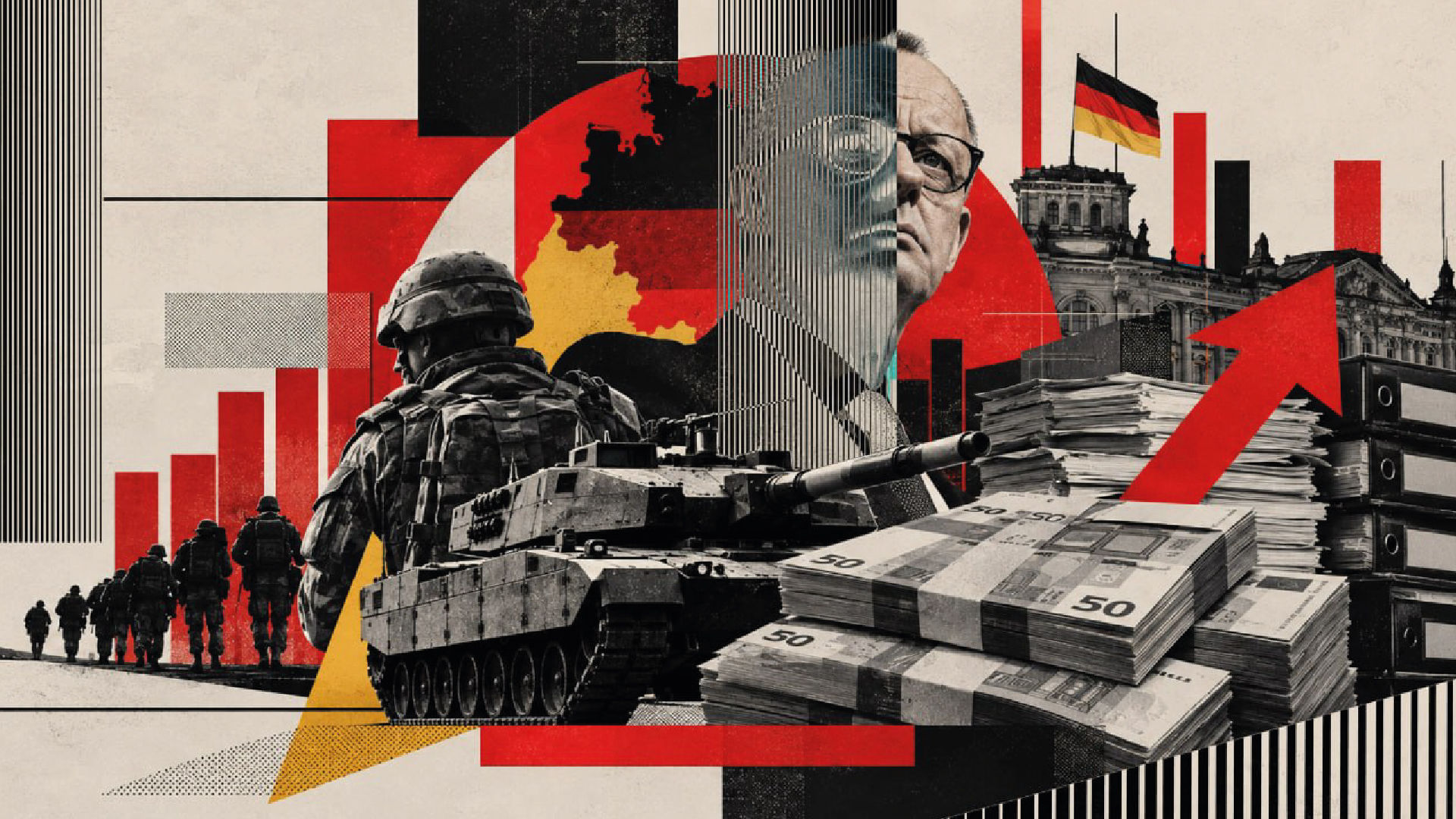
School students’ protests against a draft, organized by the School Strike Against Conscription movement on 25 September 2026, expose a problem that Gurjit Singh, ex ambassador of India to Germany, discusses in an article posted on the website of the Indian-based Observer Research Foundation.
Gurjit Singh shows Germany’s militarization problem in the perspective of a burgeoning Global South country that has repeatedly proven able to defend its security militarily. In his opinion, the most important thing is to provide the Bundeswehr with enough soldiers.
German Chancellor Friedrich Merz has often stated that his goal is to create ‘Europe’s strongest conventional army’. However, a critical analysis of the present stage of the Bundeswehr’s rearmament efforts indicates that Germany is far from translating this vision into reality. To do so, it will have to overcome many obstacles – primarily a personnel crisis, reflected in the inability to secure sufficient voluntary recruitment.
Defense Minister Pistorius, who represents the SPD in the ruling coalition, has set a target of enlarging the Bundeswehr from about 185,000 soldiers currently to approximately 260,000 by 2035.
The Military Service Modernization Act requires all German men aged 18 to complete a mandatory questionnaire, while women may choose to respond. The purpose is to assess their fitness and possible interest in joining the Bundeswehr.
So far, the response has been disappointing. By 15 June 2026, the Bundeswehr had reportedly sent 298,200 such questionnaires and received responses from 96 percent. Only around 1,500 underwent medical and selection procedures, and 530 formally agreed to join the Bundeswehr in 2026. This represents 0.7 percent of the recruitment needed for enlarging the army.
Thomas Röwekamp, Chairman of the Bundestag Defense Committee, has reportedly said that the Bundeswehr needs 50 percent more soldiers. Germany will have to decide in 2027 whether it must return to the draft. Bavarian Minister-President Markus Söder of the Christian Social Union has gone further, arguing that Germany cannot avoid conscription and that half-hearted measures to encourage Germans to join the armed forces will not be sufficient.
The governing coalition is divided on the issue. The CDU/CSU has sought a legal mechanism to fulfil annual recruitment targets which, if missed, could trigger conscription for that year.
The SPD, the junior partner in the coalition, however, favors keeping the new Bundeswehr a strictly voluntary institution and improving pay and benefits rather than enforcing compulsory recruitment. In October 2025, a joint press conference between Defense Minister Pistorius and the CDU was cancelled after the two sides publicly aired their differences.
Surveys show that a majority of Germans favor a limited return to conscription when the question sounds abstract and does not affect them personally. An INSA survey found 58 percent supporting mandatory service for men born after 2008, while 29 percent opposed it. Yet in the same INSA poll 57 percent of respondents did not believe that enough volunteers would emerge to meet the Bundeswehr’s targets.
A Bielefeld University study also found about half of respondents supporting the draft. However, the study revealed significant demographic differences. Among the age groups that would actually be subject to conscription, support falls to about 30 percent. When Germans were asked whether they would themselves take up arms to defend Germany, only 17 percent said yes.
The human factor may become the chief hindrance to turning the Bundeswehr into the strongest army in Europe.
Original publication: https://www.orfonline.org/expert-speak/germany-s-defence-modernisation-the-difficulties-behind-the-zeitenwende