







Read news
Add bookmark
POPULAR
How Much Do Experts’ Ideas Matter for the European Union’s Political Agenda?Oil? Gas? Fertilizer? Just Life.Kalypso Nicolaidis: I Want a Woodstock for European PoliticsTrump vs SánchezA Ruthless Diagnosis. Europe More Paralyzed than DividedHow the “virtues” of neoliberal globalization paved the way to its demiseTrump Pulling Troops Out of Germany. Canceled Missile Deployments to Erode the Foundations of NATO DeterrenceTrump’s War Against Iran Is an Illegal War of Choice – and Europeans Should Say SoPalantir and the New Order: Neoliberalism is dead. Say hello to TechlordismAmerica Pulling Europe Closer
The Old World becomes more dependent on the USA, but its leaders avoid condemning the war in order not to displease Trump.
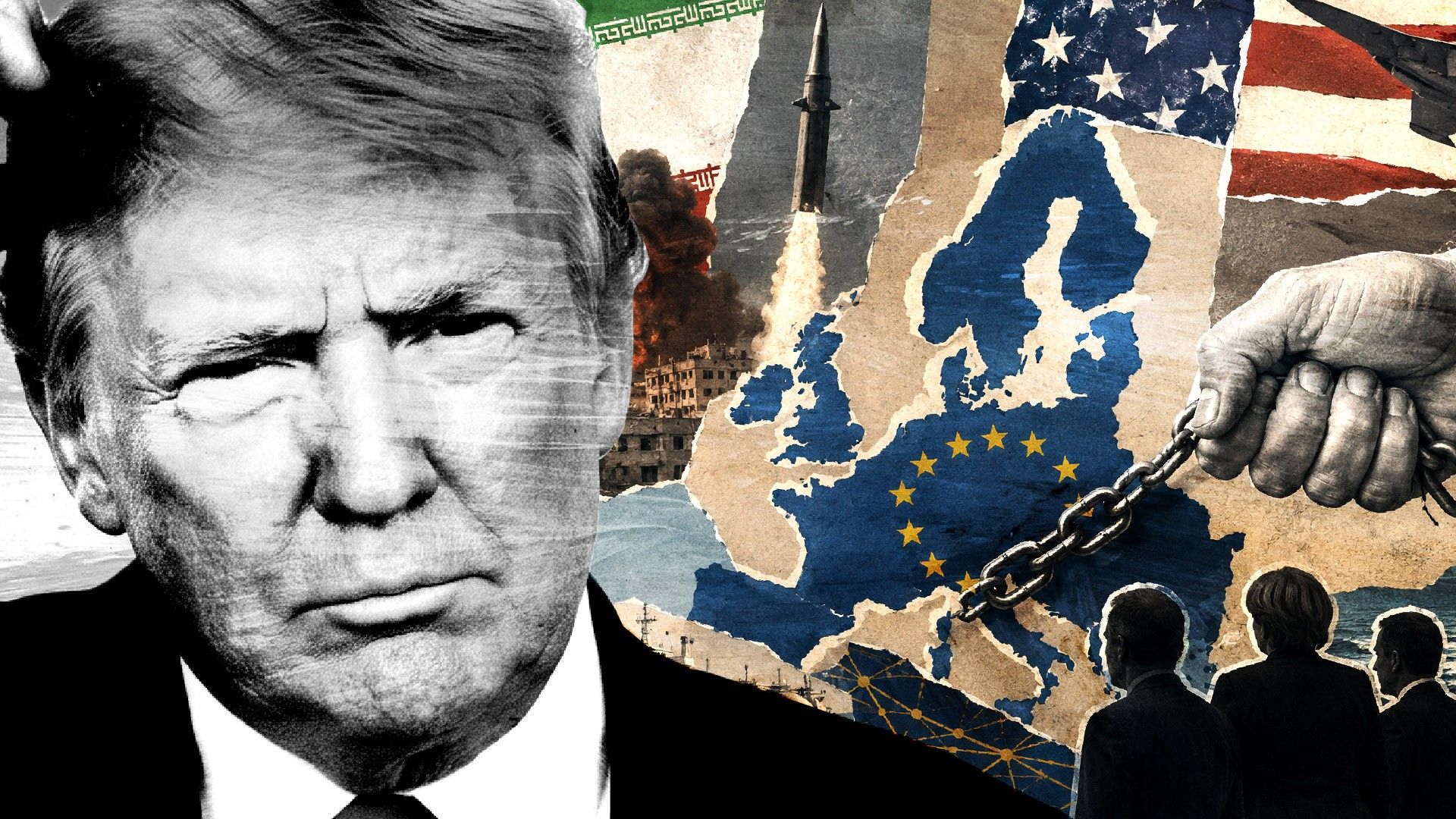
When meeting with Germany’s Chancellor Friedrich Merz at the White House back on 3 March 2026, President Trump publicly announced he had ordered to ‘cut off all dealings’ with Spain after Madrid denied Washington access to its bases to strike Iran. A similar decision by the UK led Trump to declare, in reference to Prime Minister Keir Starmer, that ‘it [was] not Winston Churchill that [Washington was] dealing with.’
As Thomas P. Cavanna writes in an article published on the Bulgarian Modern Diplomacy media platform, such tensions among NATO allies are not unprecedented. For example, the Bush Jr. administration strongly criticized France, Germany, and other European States for rejecting its Iraq war in 2003.
However, America’s war on Iran and push for greater European involvement are misguided, the author says.
The Trump administration is contradicting its own (proclaimed) strategy. It has itself criticized its predecessors’ tendency to treat allies ‘as dependents rather than partners,’ called on allies to ‘step up,’ and insisted that it did not want ‘Europe to be a vassal.’
Despite their frustrations, most European leaders have avoided condemning the war for fear of displeasing President Trump. For example, Eastern European States have declared their full support. Despite his concerns, German Chancellor Merz insisted that ‘now [is] not the moment to lecture our partners and allies.’ He stayed silent as Trump chastised Madrid and London in his presence – although Berlin later demonstrated solidarity with its European partners.
Above all, Germany, Italy, France, and others have authorized the USA to use their bases or have otherwise supported it. The U.K. has itself opened its facilities for ‘defensive strikes.’
This near-total capitulation could cause Washington to push its advantage and rally Europe to join the war effort. Being now aware it might have underestimated Tehran, the Trump administration ‘expects all Europe ... to cooperate ... to crush the rogue Iranian regime.’
Europe’s power could weaken, burdening Washington with even weaker allies across the Atlantic. As a heavy energy importer, Europe remains highly vulnerable to disruptions in the Middle East. Due to Iran’s large population, the refugee influx into Europe could be much worse than in previous conflicts. Its geographic position also makes Europe potentially more susceptible to Iranian terrorism than the United States.
Additionally, the war in Iran could reignite Europe’s division over the use of force and make local populations more hesitant to increase defense spending, making it harder for the USA to fulfil burden-shifting goals on the continent.
European leaders could gradually increase their involvement to safeguard their citizens in the Middle East, support Arab allies, and, most importantly, satiate Trump’s demands.
Yet, Iran considers all participants as ‘legitimate targets,’ as shown by the missiles that struck a French base in the United Arab Emirates or headed toward Turkey’s airspace before being intercepted.
Those risks could increase over time due to Trump’s neglect of Iran’s long-term stability, especially if he pushes for further escalation.