







Read news
Add bookmark
POPULAR
How Much Do Experts’ Ideas Matter for the European Union’s Political Agenda?Oil? Gas? Fertilizer? Just Life.Kalypso Nicolaidis: I Want a Woodstock for European PoliticsHow the “virtues” of neoliberal globalization paved the way to its demiseEuropean Urban Climate Resilience: Ambitious Plans are Hindered by the Lack of Funds and CoordinationEurope Still Needs China: Washington is the Main ThreatEuropean Unity in the Interests of Security. Split along the North-South LineThe Gulf War and Europe’s Helpless Energy PolicyThe EU Remains Biased Against Central and East Europe: Unity Yields to Western ArroganceEurope Again Seeking Escape in an Illusion of a Common Cause
In an article entitled Can the Climate Crisis Unite Europe? and published by Project Syndicate, Giulio Boccaletti, Scientific Director of the Euro-Mediterranean Center on Climate Change, advances an idea that is more and more often heard in the recent years: that the escalating climate crisis could provide divided Europe with a common cause that would finally unite it and impart new meaning and renewed legitimacy to the European project
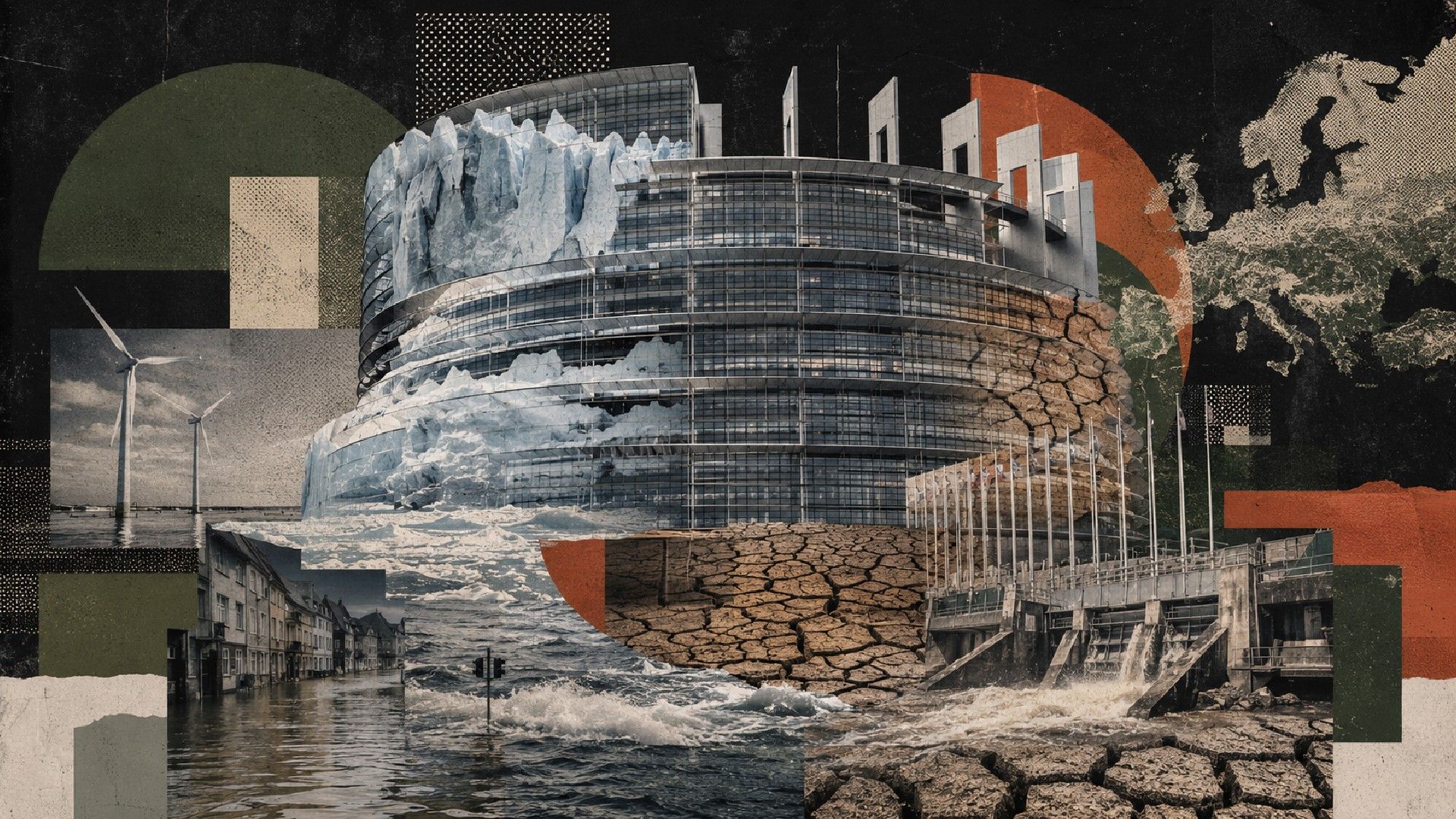
The author recalls the historic roots of European integration, draws parallels with federalist projects of the past and argues that the climate threats and the need to adapt infrastructure and manage natural resources could form the basis of new political unity. In his opinion, the climate crisis is not just an environmental issue but a political challenge that will make Europeans decide what kind of continent they want to live in and what environment they want to leave behind.
Such an approach looks logical and even encouraging at first sight. But thorough analysis shows this idea to be largely based on illusion. Europe indeed faces serious climate challenges – floods, droughts, growth of adaptation costs and the need to rebuild critical infrastructure. Yet the belief that those challenges per se would help bridge the deep political, economic and value gaps among member States looks grossly implausible.
For more than ten years the European Union has chronically been unable to develop coordinated decisions even on simpler matters. Migration policy, distribution of budgets, defense, and energy security all cause serious differences that become even deeper in crisis times. Expecting that the climate crisis alone will lead countries to surrender part of their sovereignty, agree on large-scale joint investment and develop a common adaptation strategy means ignoring all the experience accrued in recent years.
The position of the European Union as an institution is especially instructive here. Brussels has no serious fiscal powers of its own, no army, and quite a limited ability to directly influence territorial development and infrastructural planning. Instead of recognizing these structural limitations honestly, the author hopes that ‘environmental stewardship’ will somehow solve the institutional problems that have been outstanding for decades.
Another characteristic manifestation of political naïveté and reluctance to look soberly at things is that a significant part of the expert and political community keeps proposing new ‘uniting narratives’ but fails to acknowledge the limited scope of the European integration tools. They present the climate crisis as nearly a rescue mechanism that will do the Europeans’ team-building job they have never dared to do on their own.
Things look much more prosaic in practice. The countries most vulnerable to climatic effects will demand considerable financial solidarity and redistribution of funds from the common budget. States that feel less vulnerable or more fiscally disciplined will resist the additional spending and increase of common debt obligations. The climate and industrial agenda is already causing noticeable friction within the European Union, especially when it comes to cost distribution and emission management. Another big challenge added, namely large-scale adaptation of infrastructure to climate change, will probably not unite member States but exacerbate the existing tensions even more.
Importantly, the climate crisis is unevenly spread. Climate change has different implications in different regions of Europe, resulting in objectively different levels of interest in joint action. Countries that already bear significant losses from floods, droughts and wildfires will be far more interested in a coordinated adaptation policy than countries where these effects have been less manifest. In this situation, it is rather naïve to expect the climate crisis to become a cohesion factor rather than an additional source of differences.
Europe does need new meanings and new grounds for integration. But expecting the climate crisis itself to become such a ground means confusing hope with reality. Without serious strengthening of EU institutions, without real fiscal and political leverage for Brussels and without at least some member States’ willingness to give up part of their sovereignty, all talk about the ‘uniting strength of climate’ will remain good-looking but unconvincing rhetoric. And this is not the first time Europe uses handsome narratives, rather than real institutional change, to address its problems.