







Read news
Add bookmark
POPULAR
How Much Do Experts’ Ideas Matter for the European Union’s Political Agenda?Oil? Gas? Fertilizer? Just Life.Kalypso Nicolaidis: I Want a Woodstock for European PoliticsWhy capitalism is fundamentally undemocraticHow the “virtues” of neoliberal globalization paved the way to its demiseEurope: doctrinal shift towards violence. Transition to a war economy instead of a “liberal democracy”Europe Still Needs China: Washington is the Main ThreatThe Gulf War and Europe’s Helpless Energy PolicyEuropean Unity in the Interests of Security. Split along the North-South LineBritain, A Broken State
The signs of decay are visible to everybody.
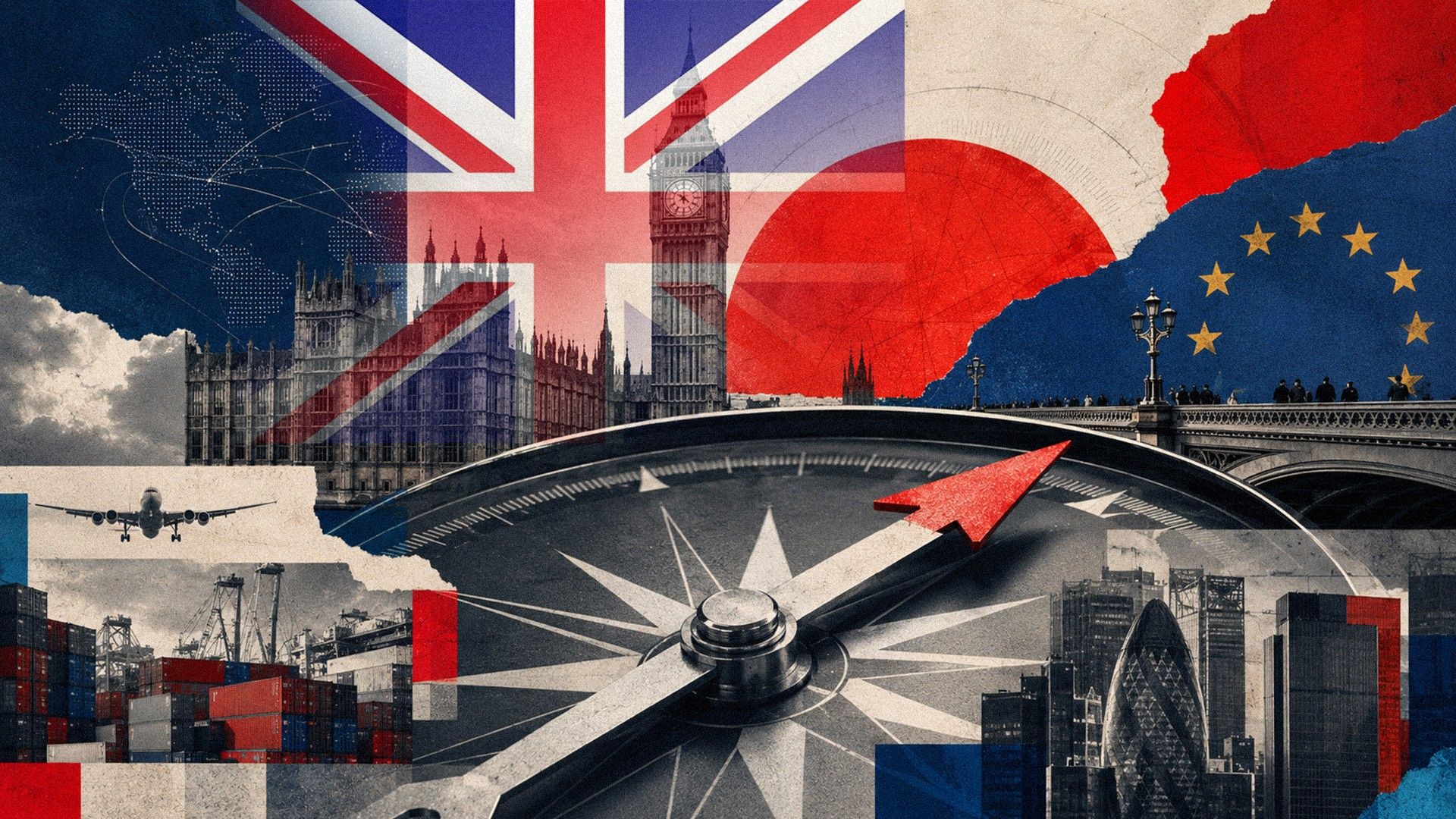
Britain remains an odd and, in many ways, a mysterious country to most outsiders, not least its immediate neighbors in Europe. The power of the aristocratic élites chosen by birth yielded to the dominion of democratic ones chosen by the ballot box. A reborn ruling class runs a management State which regulates behavior through social policies, benchmarks and performance indicators. It has morphed into a cozy and corrupt oligarchy. In 2026, Britain is much poorer than its European neighbors. The pomp and circumstance of the monarchy cannot hide the reality of public services which are too often a disgrace.
All this is discussed by Francis Ghilès, non-resident senior fellow at CIDOB, a think tank based in Barcelona.
Britain is a broken State. Pessimists fear that, in the absence of bold reforms, a new oligarchy of wealth could destroy effective democratic control. The evidence of decay is visible: collapse in public and privatized public services; declining productivity growth; rising poverty and inequalities; and growing political alienation. As the international order built up after 1945 is torn up by its very architect, the United States, the United Kingdom needs to remember that its place on the map is in Europe. It must reform its political system and negotiate a customs alliance with the European Union (EU). How difficult is this, if at all possible?
Amid the free market policy of its mentor, the USA, Britain should have drawn on its own history of social democracy. The country should borrow from its neighbors in Europe, where the social market capitalism which characterized German policy proved to be more rewarding and less socially divisive.
There are deepening inequalities and growing alienation. ‘A cynic is a man who knows the price of everything and the value of nothing,’ as Oscar Wilde put it. Deregulation in Britain has encouraged cost-cutting at the expense of service and sometimes safety. It has also degraded the concept of democratic control.
One often overlooked change to the political system has helped bring about this deterioration. The introduction of unelected special advisors by Prime Minister Tony Blair a generation ago has ‘inserted a wedge between civil servants and ministers and increased the influence of political appointees over policy-making. The growing influence of think tanks and lobbyists has destroyed probity’.
The loss of empire convinced Margaret Thatcher, an ardent nationalist, that Britain needed a strongly centralized State. She was also intent on securing a prominent place for her country in Europe and playing an active part in the Cold War.
Margaret Thatcher’s neoliberalism continued under New Labour, which came to power under the leadership of Tony Blair in 1997. As she declared with relish, New Labour was her most important achievement. Although this government did increase expenditure on health and education in real terms, the financial crisis of 2008 would later turn out to be catastrophic. New large-scale wars in Afghanistan and Iraq cost an estimated GBP 50 billion. Britain lost lives and treasures, Blair lost credibility, and Labour lost support.
Brexit has damaged the City, but tax havens have helped many of its firms escape the shackles of Bretton Woods and provided a back-door entry into the EU. The reputational damage has been considerable. The collapse of public confidence in parliament shows no sign of changing and a large majority of the public have a negative view of politicians.
The crisis which has engulfed the monarchy adds to the feeling that Britain has sunk into an age of misery. It should go forward, but no one knows a precise and, most importantly, efficient recipe for reform.
Source: https://www.cidob.org/en/publications/putting-britain-back-map