







Read news
Add bookmark
POPULAR
How Much Do Experts’ Ideas Matter for the European Union’s Political Agenda?Oil? Gas? Fertilizer? Just Life.Kalypso Nicolaidis: I Want a Woodstock for European PoliticsEuropean Urban Climate Resilience: Ambitious Plans are Hindered by the Lack of Funds and CoordinationHow the “virtues” of neoliberal globalization paved the way to its demiseThe Gulf War and Europe’s Helpless Energy PolicyWhy capitalism is fundamentally undemocraticWho Is Afraid of a Big Carbon Market? Three Future Scenarios for the European ETS SystemEurope Losing Energy Security Battle to ChinaThe French Accept Energy Instability as a New Norm
In a special poll by the Institut Montaigne, done in partnership with Verian in March 2026, Joseph Dellatte, research fellow and resident expert on climate and energy, and Hugo Jennepin Reyero, project officer for energy and decarbonization, find an important and alarming trend: a significant part of French society no longer perceives energy crises as exceptional developments.
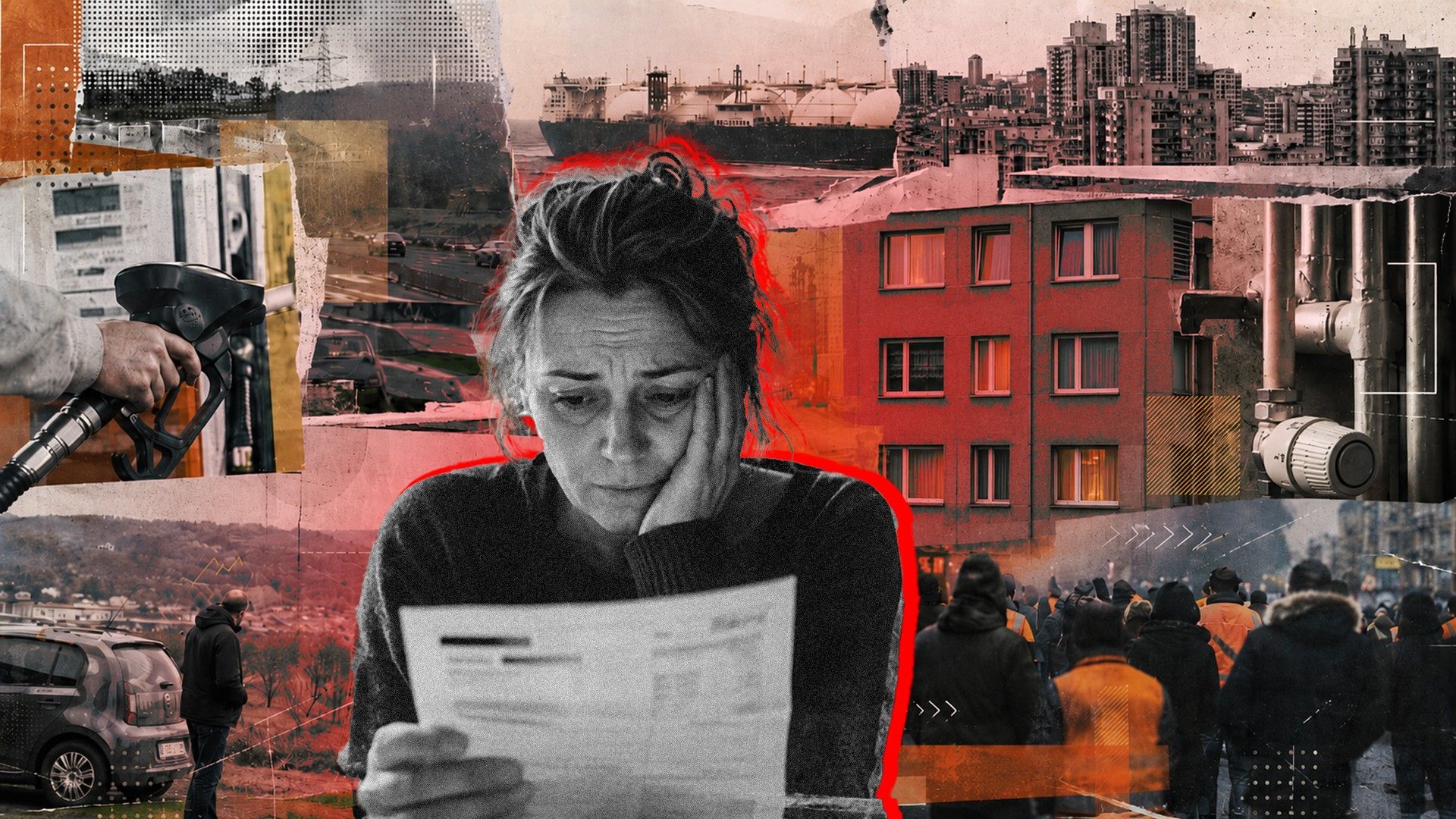
Ninety-two percent of respondents say they are concerned about the rise in energy prices, and 68 percent believe that ‘this kind of crisis will repeat regularly.’ This is not fear of a one-time shock any longer – but a feeling that instability sets in as a constant backdrop of life.
The poll shows that the French have been rather quick to adapt to the new reality of recurrent energy upheavals. Four years after the crisis caused by the war in Ukraine, most people have incorporated such events into their vision of the future. This is especially visible among the youth: the share of respondents aged under 35 who expect crises to keep repeating reaches 77 percent. In large cities, some 45 percent of residents report their strong anxiety, while in smaller and rural settlements the figure reaches 72 percent. It indicates that energy vulnerability is far stronger felt in areas with lesser space for maneuver – regarding both alternative sources of energy and transport access.
Especially revealing is the gap between those who have already switched to heat pumps and those still dependent on gas. Among the former, many fewer report a serious pressure of price growth on their budgets. Yet only 40 percent of the French believe electrification to be a serious protection against energy shocks. That is, the ‘electricity shield’ is already working in practice, but this has not yet come home to the public. People who have already moved towards more sustainable energy consumption suffer less from price fluctuations, but the general public is not quite aware of this.
There is another alarming manifestation of a gradual loss of faith in the possibility of a stable future: when many citizens come to perceive regular energy crises as something inevitable and normal, long-term planning and political decision-making are seriously impaired. People increasingly demand immediate help (reduced fuel taxes) while their willingness to support more structural and painful transition measures remains limited. This is especially noticeable among households that already have serious difficulty paying their bills: among those unable to pay them ‘most of the time’, some 78 per cent consider the weight of energy expenditure ‘difficult to bear’. This same population often has to cut essential spending.
Importantly, support for energy transition by the French now rests on a pragmatic understanding of energy security rather than environmental awareness: for 57 percent, reducing oil and gas consumption is primarily a matter of sovereignty and lower external vulnerability, while only 24 percent prioritize environmental considerations. This constitutes a window of opportunity for the authorities to promote electrification – but only if presented as an economic security protection rather than climate agenda.
However, the poll also shows that this window may soon close. When much of the population has come to accept that energy crises will repeat regularly, they are less motivated to support long-term and costly measures. People increasingly demand quick and visible decisions that mitigate the problem temporarily but perpetuate dependence on imported fossil fuels. In this situation, the State has rather a narrow space for maneuver.
It can take ad hoc measures to support fossil fuel consumption – and thus entrench dependence and expend resources on provisional solutions. Or it can seize the moment to start promoting electrification more consistently – as a real tool that can protect the population from future shocks. For now, the poll records fatigue and inability to adapt to the precarious conditions, rather than readiness for serious structural changes. It is especially alarming that such adaptation occurs amid persistent territorial and social asymmetry, with those who already have access to more sustainable energy suffering less but the most vulnerable groups still bearing the brunt of the crisis.
As a result, France risks facing a situation where society would gradually get used to constant energy vulnerability, while the political system would increasingly confine itself to short-term responses rather than address the root causes of the dependence. This scenario could further weaken the country’s strategic resilience and gradually erode its ability to pursue a consistent long-term energy policy.
Source: https://www.institutmontaigne.org/publications/sondage-les-francais-face-la-crise-energetique