







Read news
Add bookmark
POPULAR
How Much Do Experts’ Ideas Matter for the European Union’s Political Agenda?Oil? Gas? Fertilizer? Just Life.Kalypso Nicolaidis: I Want a Woodstock for European PoliticsHow the “virtues” of neoliberal globalization paved the way to its demiseGone with the West. How the transatlantic split helps China and forces Europe to rethink its Indo-Pacific strategyThe Gulf War and Europe’s Helpless Energy PolicyEurope Still Needs China: Washington is the Main ThreatEuropean Unity in the Interests of Security. Split along the North-South LineWhy capitalism is fundamentally undemocraticGerman Foreign Policy Lagging Behind Changing Realities
The previous approaches no longer work, but nothing changes in the policy.
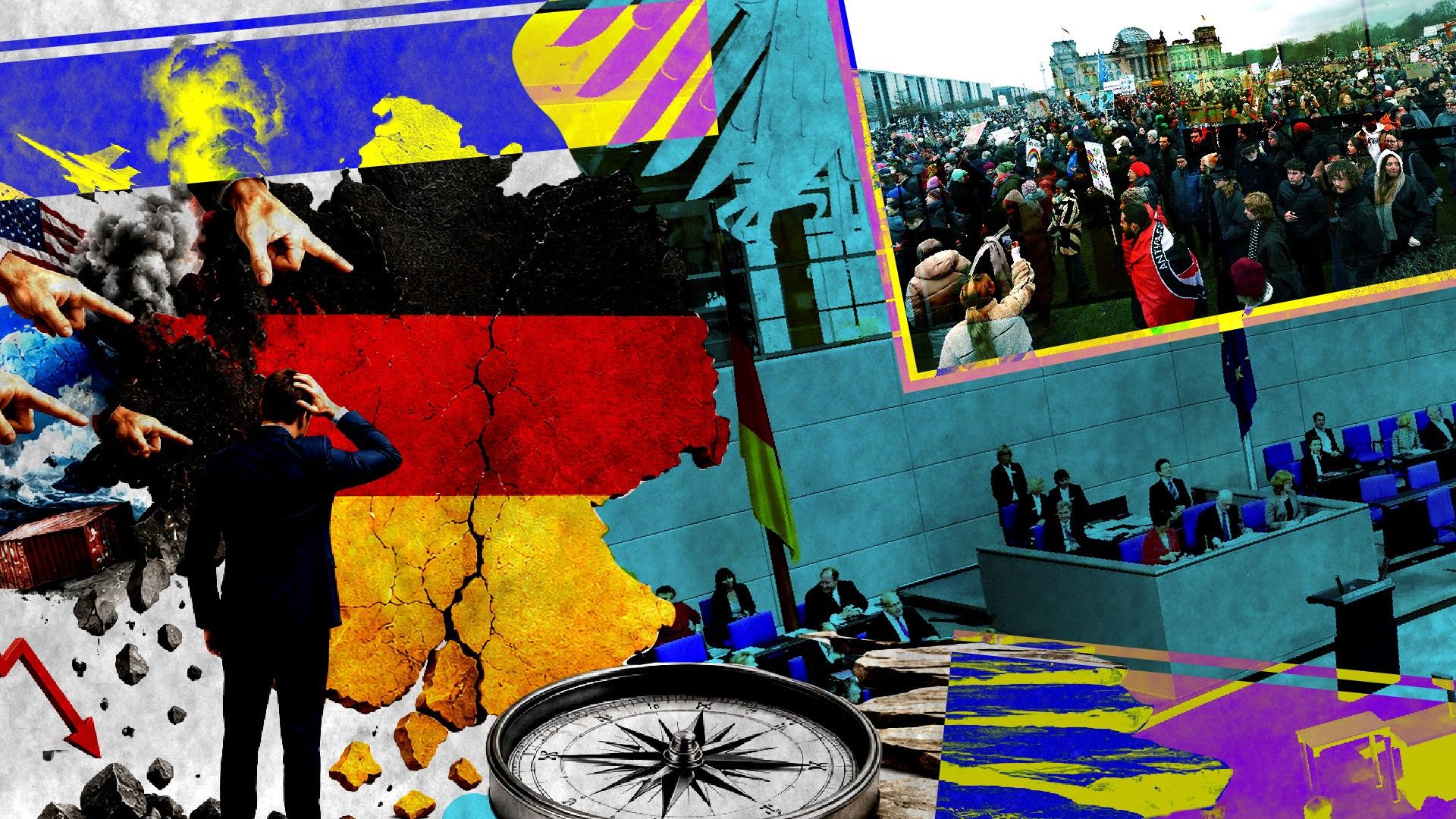
In an article entitled German Foreign Policy Needs a Strategy Henning Hoff, editor of Internationale Politik Quarterly, spells out the contradictions and strategic weaknesses in Chancellor F. Merz’ foreign policy. In the author’s opinion, Mr. Merz and his government lack good training, prudence, and a strategic thinking.
Just like under Olaf Scholz’ government, there lies a contradiction at the heart of Merz’ foreign policy. Scholz’ idea was to prepare Germany for a ‘post-American’ multipolar world order (a term first promoted by Russia and China back in the 1990s). When it came to security, however, Scholz did not move an inch without an approving nod from Washington.
When Merz took over, the foreign policy message was one of ‘newness.’ Germany was ‘back,’ Merz and Foreign Minister Johann Wadephul claimed. They intended to revamp the whole approach to foreign policy, that in the previous government had been represented by the Greens’ Annalena Baerbock.
Much of what has been happening since Merz took over is not exactly new, when compared to the Scholz’ government’s general approach.
Like Scholz, Merz is reaching out to ‘new partners’: the chancellor visited India before he went to China, he also courted Saudi Arabia and the Gulf States. Minister Wadephul concentrated on Japan and other countries in the Indo-Pacific, promptly drawing Beijing’s ire when he criticized aggressive Chinese behavior in the region.
The one big difference between Scholz and Merz is, of course, that the Merz government now has far fewer limits when it comes to defense spending, thanks to a constitutional change that Merz rejected when he was opposition leader. In other words, Germany’s large-scale catch-up operation, intended to seriously contribute to a credible deterrence, could have started two years earlier but Merz preferred to do this once he became chancellor.
The early months of 2026 are indicative of a deeply confused German foreign policy – being largely shaped as Merz goes along at crucial moments.
On 7 March, the Chancellor said that neither Iran’s collapse not an endless Gulf war would be in the German interest. Merz also ruled out any German participation in the war even after Trump had threatened that NATO would be facing ‘a very bad future’ should allies not help reopen the Strait of Hormuz. Merz answered that he did not want the Iran war ‘to become a burden to the transatlantic partnership’.
Merz wrote in Foreign Affairs (such articles now seem compulsory for German chancellors within a year of taking office) that the big aim now is to ‘avert the tragedy of great-power politics.’ He claims that the international order ‘that was based on rights and rules … no longer exists,’ and that Washington is ‘drawing radical conclusions’ from this development, ‘and it is doing so in a way that accelerates rather than slows down this dangerous game.’
A few paragraphs on, however, he writes that ‘we are not at the mercy of this world but can shape it. We can and will preserve our interests and our values if we act decisively, in European unison, and with confidence in our own strength as well as the strength of the transatlantic relationship.’
In the German foreign policy mind, the current order is akin to Schrödinger’s cat – both dead and alive. This creates a giant black hole where a German strategy should be.
Source: https://ip-quarterly.com/en/german-foreign-policy-needs-strategy