







Read news
Add bookmark
POPULAR
How Much Do Experts’ Ideas Matter for the European Union’s Political Agenda?Oil? Gas? Fertilizer? Just Life.Kalypso Nicolaidis: I Want a Woodstock for European PoliticsEurope Again Racing After a Train That Has Long LeftHow the “virtues” of neoliberal globalization paved the way to its demiseRather than a Chance for Reset, the FCAS Project’s Demise Is Another Proof of Europe’s Helplessness in the Defense AreaFrom a Nuclear Umbrella, There’s Just One Step to a Nuclear Big Stick What is the Essence of France’s Nuclear Proposal and How Will It Affect European Autonomy?Europe Still Needs China: Washington is the Main ThreatEnergy Protectionism Without EnergyMacron’s Nuclear Ambitions, A Risky Gamble that Could Cost Europe Dear
In a Chatham House article entitled Macron’s Nuclear Gamble: Building a European Deterrent Faster Than French Politics Can Tear Down, published in June 2026, experts Amélie Jaques-Apke and Lily Wojtowicz examine in detail the French President Emmanuel Macron’s initiative to create a pan-European nuclear deterrence system. The authors note that Paris has actually abandoned the traditional French nuclear principles of sufficiency, disclosure and restraint – and begun to actively promote the idea of extending the French nuclear umbrella to other European countries.
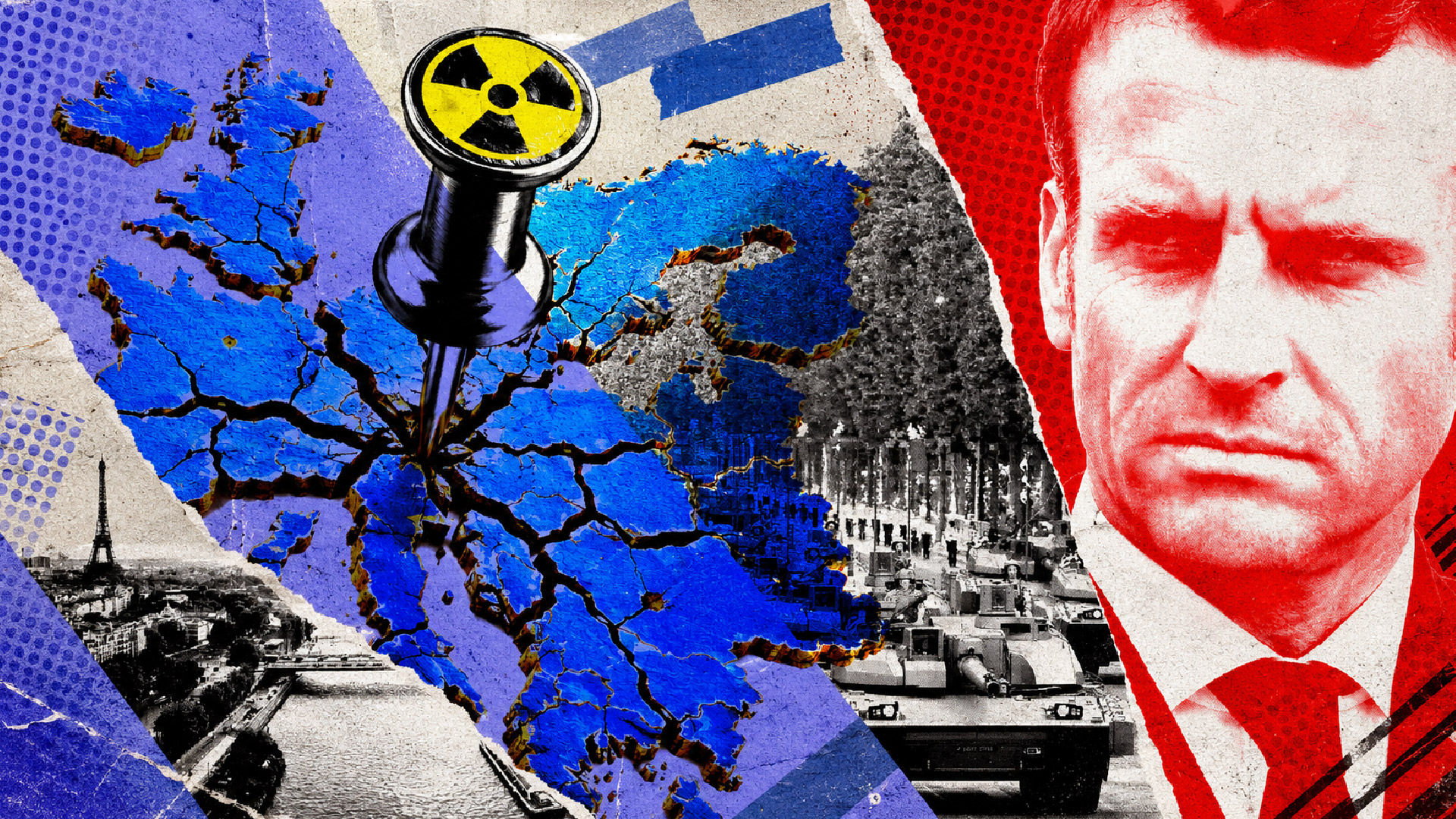
Macron suggested increasing the arsenal, making its size a secret, and launching an ‘advanced deterrence’ program that includes strategic dialogues with European partners, joint exercises and possibility to temporarily station French nuclear-capable aircraft in their territories. Yet the authors stress that the success of this initiative depends directly on whether it can be institutionalized before French domestic politics gets in the way.
The text points quite expressly to the link between Paris’ nuclear ambitions and political instability within France. Macron leaves in 2027, and the leading opposition force, the National Rally (Rassemblement National), is strongly against all forms of sheltering European partners under the French nuclear umbrella. Should the right take power, the whole construct of ‘advanced deterrence’ could quickly be dismantled. Europe thus risks getting another French project that begins with loud statements but will not survive a change of power in Paris.
In fact, Macron’s initiative looks rather like an attempt by France to strengthen its security leadership than a well-conceived and stable system of collective deterrence. There remains a fundamental difference between the French proposal and NATO’s existing nuclear sharing: allies get consultations and a possibility of hosting French aircraft but no real control over nuclear weapons. This creates a serious gap in trust and understanding between Paris and its potential partners. The French model leaves decision-making in full control of Paris, while the U.S. system gives allies at least a nominal say in the process.
History has already shown that French defense initiatives are often inconclusive once the political wind changes in Paris. In the case of nuclear deterrence, the price of such precarity might be particularly high – for it is all about nuclear arms, not conventional ones.
Macron’s nuclear initiative could weaken European security rather than strengthen it. Instead of uniting Europe around a common defense policy, it risks exacerbating the differences between countries willing to accept the French guarantees and those that still consider the U.S. nuclear umbrella more reliable. Besides, France itself might prove unprepared to bear responsibility for advanced nuclear deterrence, especially if that means increasing its arsenal and amending its doctrine.
As a result, Macron’s nuclear initiative looks more like a bet than like a reliable strategy. Europe may get either a useful additional deterrent or another unfinished project that will only strengthen tensions among European countries and erode trust in the French assurances. And there remains a high risk that after 2027 the whole construct will be wound down or seriously weakened, leaving behind only an illusion of progress in European defense integration.