







Read news
Add bookmark
POPULAR
How Much Do Experts’ Ideas Matter for the European Union’s Political Agenda?Kalypso Nicolaidis: I Want a Woodstock for European PoliticsOil? Gas? Fertilizer? Just Life.EU Enlargement: The State of PlayHow the “virtues” of neoliberal globalization paved the way to its demiseBetter Regulation in the European Union Needs a Fresh StartThe Gulf War and Europe’s Helpless Energy PolicyEU Enlargement in Transition: Montenegro at the FrontlineEuropean Unity in the Interests of Security. Split along the North-South LineEurope More Wary of New Members Than Ready to Change
In a policy brief for the Clingendael research center entitled Challenge accepted? EU Enlargement non-papers provide mixed picture of EU integration commitment, research fellow Wouter Zweers examines two recent informal documents (non-papers) from European countries on EU enlargement. One was prepared by France and Germany, and the other, by the Benelux countries jointly with Germany and France. The author shows that the European capitals’ approaches to eventual EU enlargement differ considerably, and not all of them aim to really deepen integration.
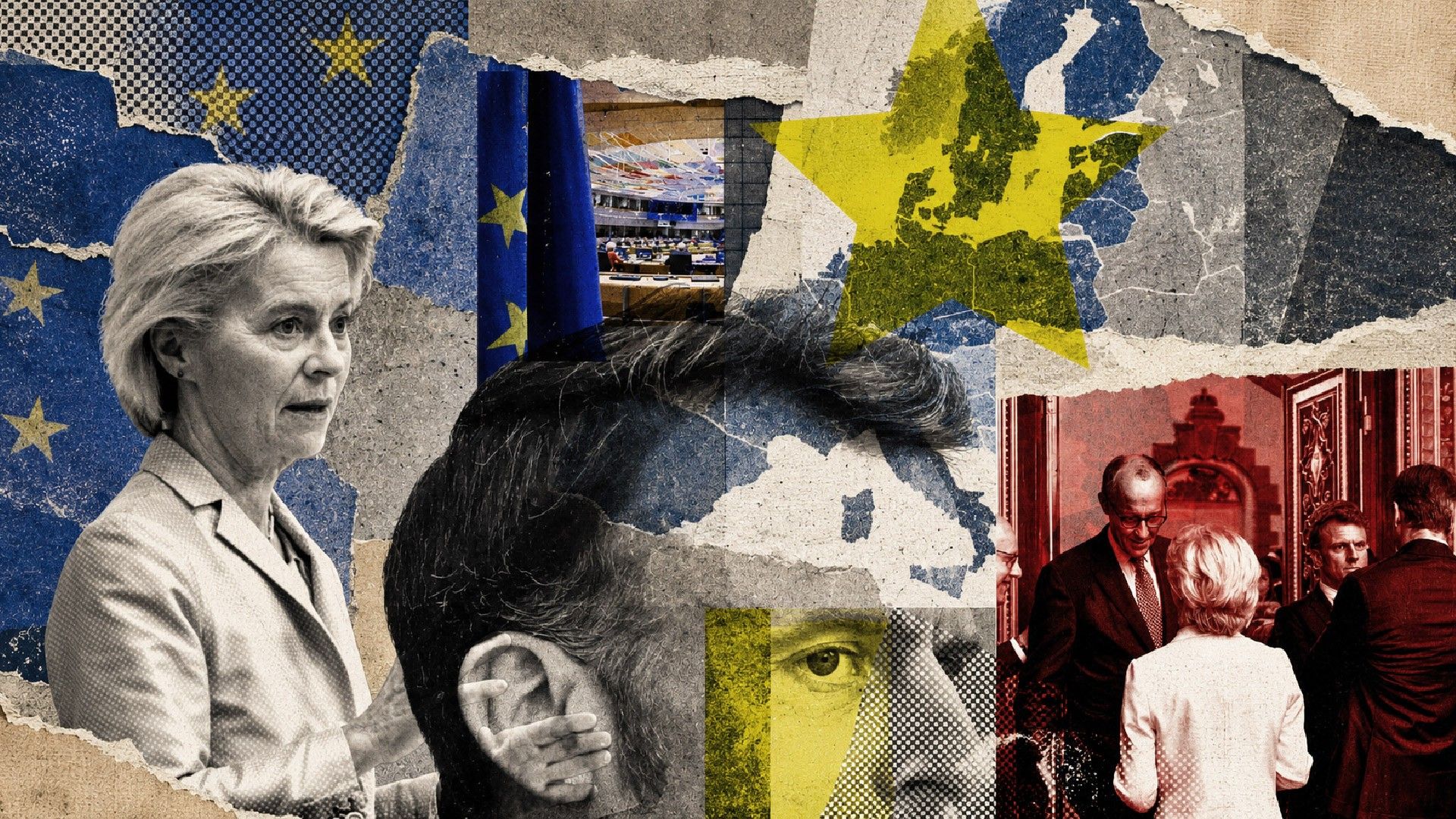
Mr. Zweers notes that after negotiation clusters were opened for Ukraine and Moldova and after Montenegro made significant progress, the enlargement topic became relevant again. The European Commission and member States revived their discussions on precisely what shape the new countries’ accession process should take. And, instead of focusing on a reform of the EU itself, many proposals deal with how to better protect the existing Union from potential problems that new members could bring along.
Visibly, the authors of the latter document (Benelux + Germany + France) are far more concerned about risks than opportunities. They enlarge on the need for strong safeguards, long transition periods, restricted voting rights for new members, and delaying their full financial integration. The non-paper essentially assumes that new countries are primarily a source of potential problems that should be contained as much as possible. And the question of whether Europe itself is ready to change in order to be functional after enlargement is barely tackled at all.
In reality, such an approach looks like an attempt to delay the real effects of enlargement as much as possible, rather than prepare for them. Instead of discussing how to reform the institutions, budget, and decision-making procedures, European capitals prefer to talk about restricting the future members’ influence. This is best exemplified by the proposals concerning the labor market: instead of developing a common labor mobility policy that could benefit all parties, what is proposed is to delay granting new citizens full access to the European labor market for as long as possible.
Notably, in fact many of the issues that European countries seek to address by imposing tough conditions on candidates already exist within the European Union. Hungary has blocked decisions for years and communicated information to Moscow; Bulgaria and Greece blocked North Macedonia’s accession for reasons that had little to do with the European standards, and many current members violate European legislations regularly. Nevertheless, instead of strengthening the control and enforcement mechanisms for all participants, European capitals prefer to urge specifically future members to follow the principle of ‘sincere cooperation’.
This approach reflects a deeper-lying problem: a sizable portion of the European élites is still unwilling to seriously discuss how exactly the Union itself should change in the case of enlargement. Instead of calling for a reform of institutions and proposing changes in the decision-making procedures and distribution of financial resources, they prefer to focus on minimizing the risks that may be posed by the accession of new countries. This suggests that enlargement is regarded as a threat to be contained as much as possible, not an opportunity to strengthen Europe.
As a result, both non-papers show that a significant part of the European élites still lacks a clear perspective on what enlargement should be like and how the Union itself should change. Instead of a serious reform of the institutions and decision-making procedures, they suggest a set of safeguards that would postpone the real effects of new countries’ accession as far as possible. This approach could perhaps help, technically, foster negotiations with some candidates but falls short of addressing the fundamental problem: barring deep changes within the EU itself, enlargement risks either leading to paralysis or creating a ‘second-class’ membership regime for the new countries. And this, in turn, undermines the very idea of European integration and weakens Europe’s ability to act as one body amid the mounting external challenges.