







Read news
Add bookmark
POPULAR
How Much Do Experts’ Ideas Matter for the European Union’s Political Agenda?Oil? Gas? Fertilizer? Just Life.Kalypso Nicolaidis: I Want a Woodstock for European PoliticsHow the “virtues” of neoliberal globalization paved the way to its demiseTurkey Offering Europe Its Mediation Again, Europe Again Ready to Accept ItThe InvalidsThe Gulf War and Europe’s Helpless Energy PolicyEuropean Unity in the Interests of Security. Split along the North-South LineWind Energy Losing the Market
New wind farms in Europe cannot be built without subsidies. The market hinders wind energy development, with States being reluctant to compensate businesses for the losses. China is strengthening its position due to the close ties between the state, industry and energy sector.
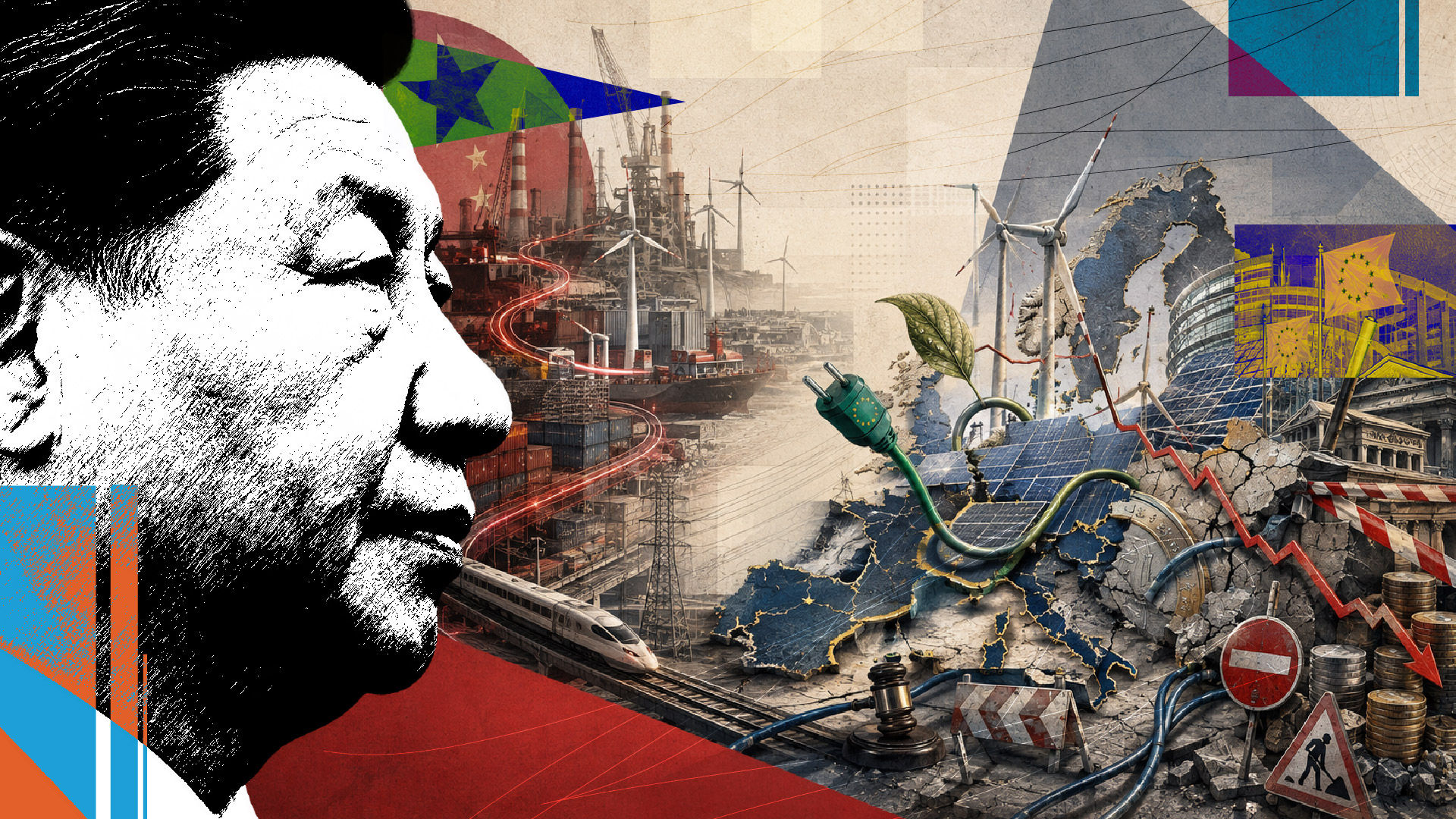
In an article posted by the Center for European Policy Analysis (CEPA), Maciej Bukowski, head of the Energy and Resilience Program at the Casimir Pulaski Foundation in Warsaw, provides interesting data on issues concerning wind energy development in Europe and worldwide.
The offshore wind industry is developing, even though its underlying business model is fraught with difficulties. At first glance, global numbers show a wind boom. More than 9.3 gigawatts of offshore wind came online in 2025, taking total capacity to 92.5 gigawatts. Another 50 gigawatts are under construction.
However, this comes at the consumer’s and society’s expense, for no new capacity can be built without subsidies. The European and Asian markets that pioneered offshore wind assumed that a mature market would allow the State to retreat. That has not happened: government support remains crucial.
The German government pushed offshore wind toward ‘zero-subsidy’ auctions in which developers paid for seabed rights and accepted wholesale-market exposure. But in August 2025, two sites attracted no bids. The government then postponed the 2026 round to 2027.
Denmark has encountered similar zero-bid auctions, whereas the Netherlands has stepped away from the earlier subsidy-free model after rising costs undermined project economics. Britain has learned the same lesson: after its fifth round of wind auctions received no bids in 2023, it improved the terms and awarded a record 8.4 gigawatts this year. The market did not rediscover the wind. The State changed the allocation of risk.
China is moving in the opposite direction, thanks to strong government support. It added 6.6 gigawatts in 2025 and ended the year with 48.4 gigawatts, more than half of the global market. Its advantage is low-cost turbines.
Japan looks more European than Chinese. Mitsubishi withdrew from three Japanese projects totaling about 1.7 gigawatts due to rising costs. Norway’s Equinor stated this year that it would leave the Japanese market, where it has failed to win any leases in successive auctions.
In the USA, the Trump administration has blocked new construction. This month, it paid German firm RWE USD 1.2 billion to abandon its offshore wind projects off the California, Louisiana, and New York coasts.
Another problem is that offshore wind can deliver large volumes but cannot guarantee output every minute. Batteries can shift electricity across hours but do not turn variable wind into guaranteed multi-day supply.
Wind is struggling to keep up with the artificial intelligence buildout that is causing electricity demand to soar. The International Energy Agency expects global data center electricity consumption to double by 2030. U.S. data centers could then consume 9 to 17 percent of national electricity. At the same time, wind procurement fell in 2025 by 80 percent from the 2024 record.
Offshore wind can supply enormous volumes of electricity – but not guarantee them at every hour; it can strengthen an energy system, but cannot carry one by itself. Its future will depend on governments that understand these limitations. For now, it is state budgets and consumers who pay for wind energy.
Original publication: https://cepa.org/article/wind-blows-strong-amid-political-turbulence/