







Read news
Add bookmark
POPULAR
How Much Do Experts’ Ideas Matter for the European Union’s Political Agenda?Oil? Gas? Fertilizer? Just Life.Kalypso Nicolaidis: I Want a Woodstock for European PoliticsHow the “virtues” of neoliberal globalization paved the way to its demiseEuropean Unity in the Interests of Security. Split along the North-South LineThe InvalidsThe Old World’s Spy Team
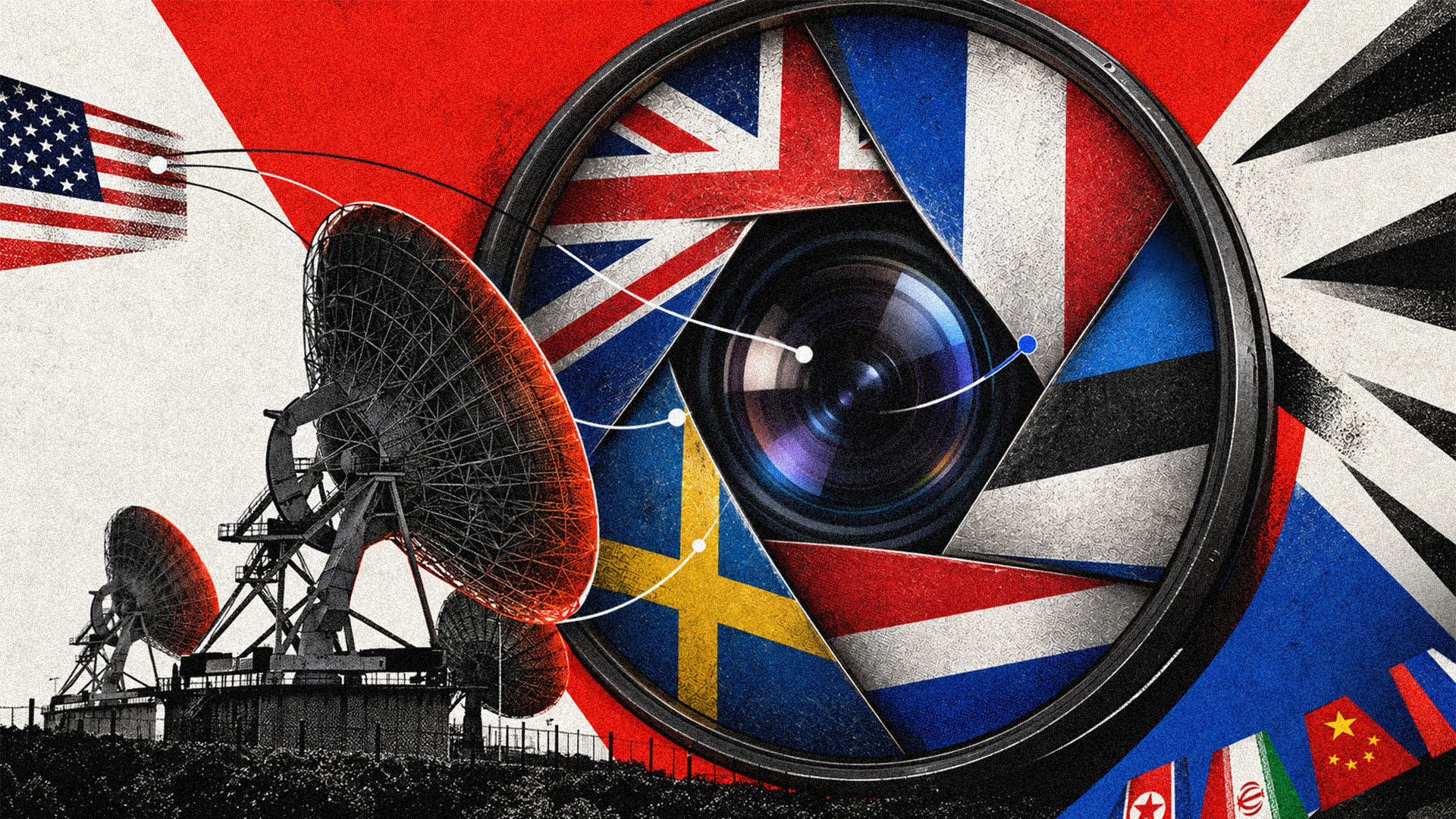
Historically, European intelligence and security agencies have never operated in a broadly calm world. These days are no exception to this rule.
A significant geopolitical pressure from the informal axis of Russia, China, Iran and North Korea, and fraying relations with the USA keep the continent’s secret services in good shape. In turn, this brings changes.
What are they all about, and which way are the Old World’s intelligence services developing? Dr. Dan Lomas, assistant professor of international relations at the University of Nottingham and co-author of a history of the British MI6 (SIS) intelligence service, discusses this in his article posted on the website of the U.S.-based Center for European Policy Analysis.
The French magazine L’Express recently ran its own league table of European intelligence services – based on interviews with 60 intelligence professionals from 25 countries, including 18 former agency heads as well as former CIA and Mossad officers.
The UK’s Secret Intelligence Service (MI6) led the rating with 251 points, followed by the French Direction générale de la Sécurité extérieure (DGSE) with 169. The Netherlands’ AIVD came in at third (97 points), with Ukraine’s SBU and HUR fourth (77 points). Germany’s BND came fifth with 62 points. Several countries – to borrow Eurovision language – received ‘nul points’. Ireland, Greece, Luxembourg, Slovakia, Slovenia, and Croatia joined that crowd.
The L’Express survey offers a rare view of Europe’s espionage landscape.
Though European agencies cannot match the CIA for budget and manpower (DGSE has about 7,000 staff and MI6 half that number), they still retain global strategic connections. DGSE’s coverage of parts of Africa stands out especially. For the UK, whilst military hard power has been on the wane, the intelligence community – through links to the USA, Europe, and the wider world – still punches above its weight.
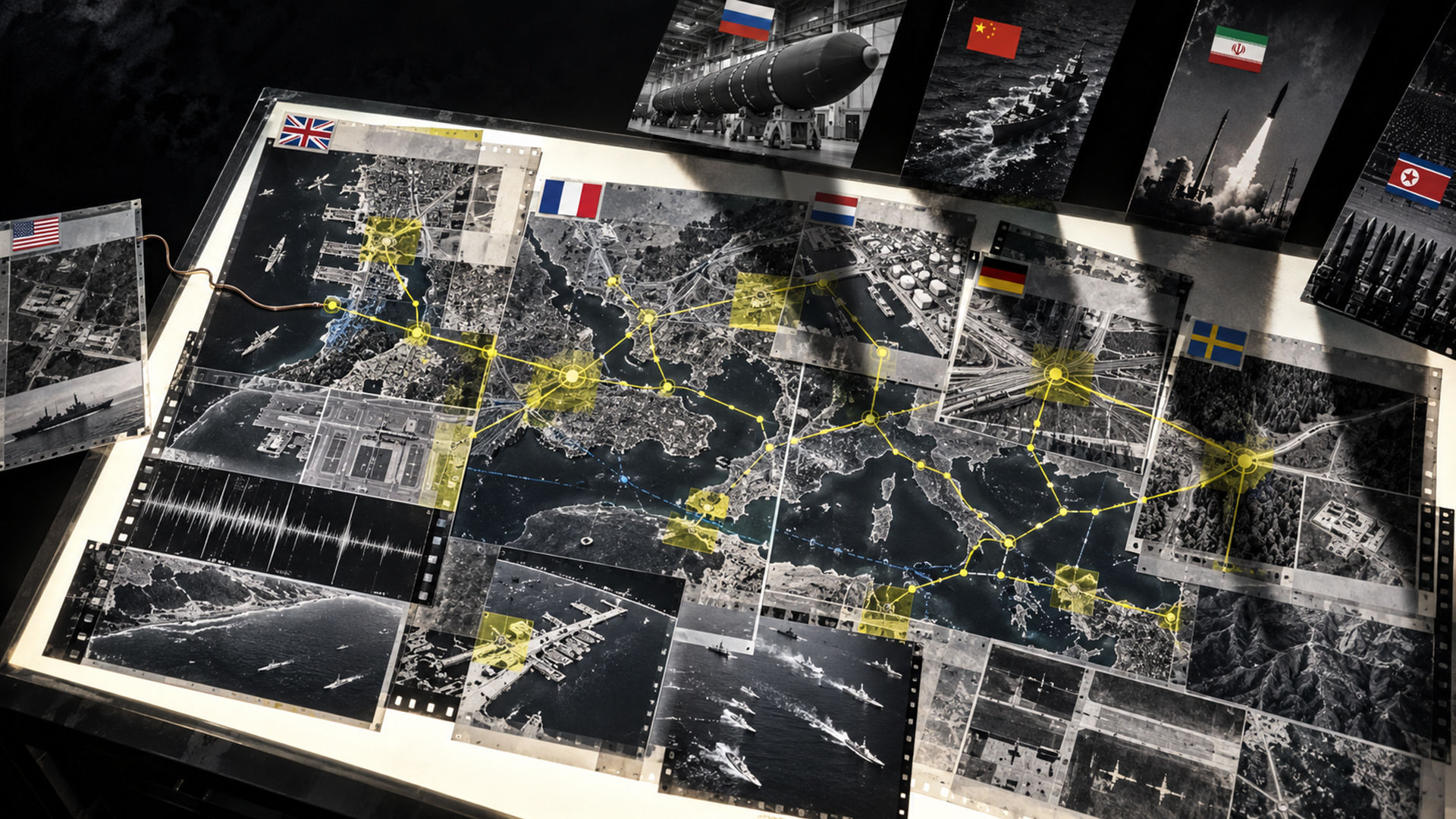
One observation lost on many commentators on the L’Express poll is that modern-day intelligence is a team sport. This may seem counterintuitive to many. In the world of State-to-State competition, spying is viewed as part of a State’s national self-interest. Seemingly friendly agencies also spy on each other. And this is a given.
Denmark’s Defense Intelligence Service (FE) has been accused in earnest of helping Americans spy on Germany. In turn, Germany’s spies have been accused of similar activity against the USA. But few intelligence agencies can be all-rounders and act entirely on their own. And this is normal. Even the U.S. intelligence community — despite what some in the administration might think – needs allies. Unique collection assets, geography, or differing risk appetites matter.
Whilst SIS and DGSE took the gold and silver in the L’Express survey, many of Europe’s smaller agencies were high up the table. Take, for example, the AIVD. The Dutch service played an important role in supporting Ukraine and developing wider bilateral relationships. Though unable to compete for size and resources with others, the AIVD shows that focusing on core strengths can prove significant in the longer term.
The L’Express league table shows that even Europe’s smaller agencies play a significant role in the bigger game and strengthen the European team. Today’s realities are such that effective and efficient intelligence services begin to appear even in the smallest countries. To have a strong intelligence agency is no longer a luxury amid global instability.
Original publication: https://cepa.org/article/europes-spies-fighting-as-a-team/