







Read news
Add bookmark
POPULAR
How Much Do Experts’ Ideas Matter for the European Union’s Political Agenda?Kalypso Nicolaidis: I Want a Woodstock for European PoliticsOil? Gas? Fertilizer? Just Life.How the “virtues” of neoliberal globalization paved the way to its demiseThe Election to the French Senate Could Strengthen the National Rally Before the Presidential ElectionGiorgia Melonis Reformagenda im politischen Labor ItaliensGiorgia Meloni Going for a RecordRegular Ones Made IrregularEurope Heading for a Strange DefeatA Hot Political Autumn in France
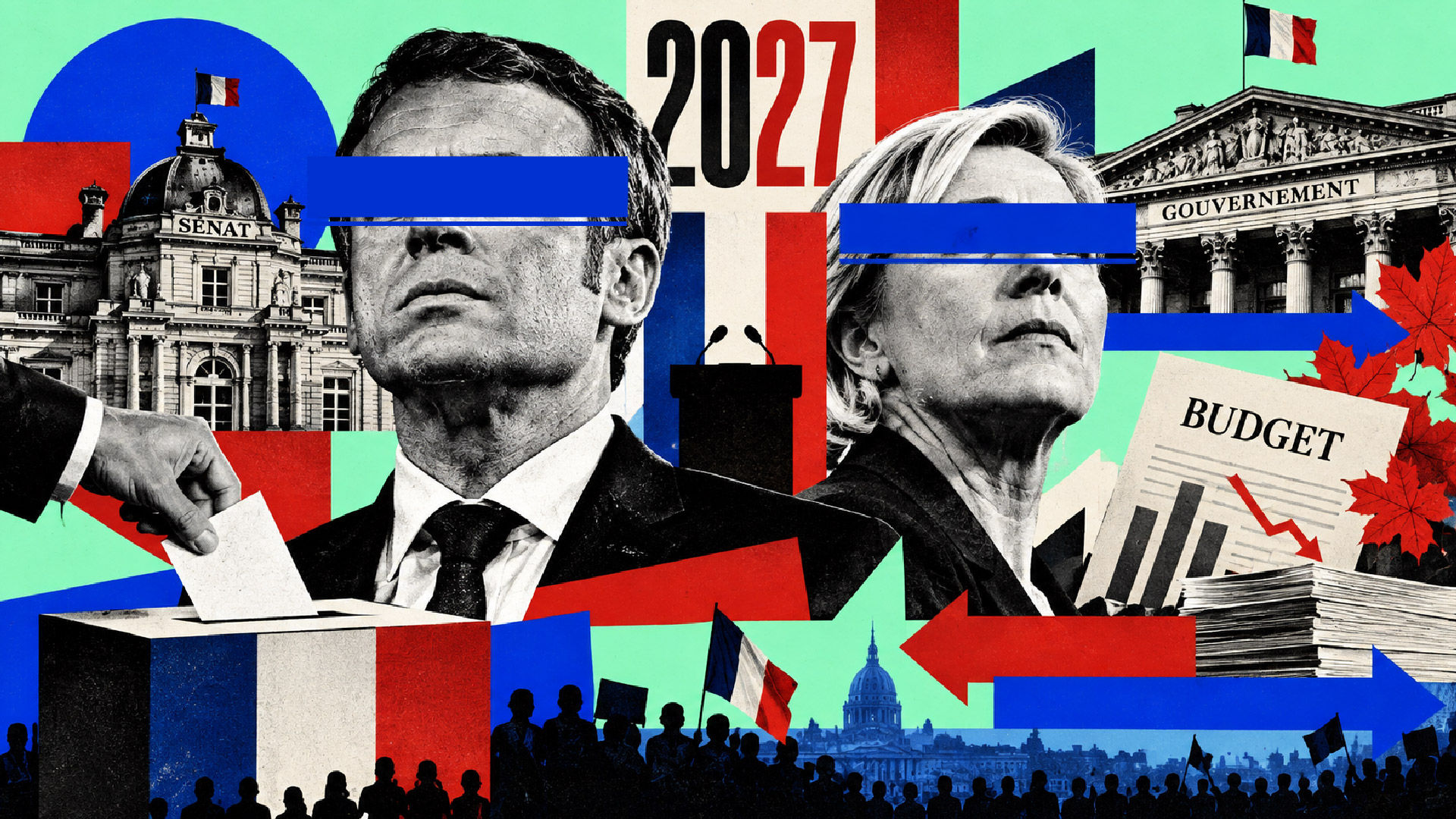
France is experiencing an unusually strained return to the political calendar as the 2027 presidential campaign begins, the government relies on a fragile parliamentary majority, the adoption of a budget is forthcoming, and the National Assembly has only a drastically reduced window of opportunity to legislate.
In an article entitled Political Return to Electoral Campaigning (Politische Rentrée zu Wahlkampfzeiten), experts from the German Konrad Adenauer Foundation (Konrad-Adenauer-Stiftung e.V.) discuss the issues faced by French politics ahead of the presidential election.
The crucial question at the initial stage will not be who comes out on top in 2027, but whether the Lecornu government can politically survive the autumn. The budget will be the decisive test. The real ‘hot autumn’ does not begin with the election campaign. It will determine the political conditions under which France even enters the 2027 campaign. A stabilized government could conduct the presidential campaign from a position of power. Conversely, another government crisis would prematurely transform the campaign into a debate about the failure of the political system.
What is remarkable is the return of a classical left-right conflict in the field of economic policy. While the left advocates higher wages, heavier taxes on large fortunes, and an expansion of social benefits, the center and right primarily demand spending cuts, less bureaucracy, and lower labor costs. Underlying these positions is a common diagnosis: France's financial situation is considered serious by almost all political camps.
The draft budget is to be presented on September 30 and passed by November 17. For Prime Minister Sébastien Lecornu, this is a crucial test. He has no parliamentary majority. For the government, this is about more than simply passing the budget. A successful compromise would demonstrate that, despite a fragmented National Assembly, a degree of governing capability still exists. Failure, on the other hand, would further exacerbate France's political instability.
The Socialist Party could become a decisive player in the budget dispute. Limited cooperation with the government could allow the Socialist Party to obtain concrete social or economic concessions. At the same time, there is a risk that too close an alignment with the government would weaken its own position vis-à-vis other left-wing forces.
France Unbowed (La France insoumise) has already announced its particularly tough opposition to the budget. For that party, the budget debate offers an opportunity to fundamentally attack the government and simultaneously establish itself as the most consistent opposition force within the left. This suggests an asymmetrical situation: while the government is dependent on compromises, parts of the opposition have an interest in escalating the conflict.
The National Rally could try to provoke a government crisis by rejecting the budget and supporting a vote of no confidence. Such a strategy would fit into its existing narrative: that the current political forces are incapable of governing France. At the same time, the National Rally faces a strategic task. Looking ahead to 2027, the party must increasingly convey the impression that it is not only a protest force, but also a potential alternative to the government.
Two strategic options are emerging for the National Rally: on the one hand, the party could opt for escalation, putting the government under maximum pressure and deliberately risking a political crisis. On the other hand, it could show a willingness to compromise on selected issues and try to demonstrate its economic and fiscal competence and sense of responsibility.
The National Assembly increasingly becomes another stage for the electoral campaign. Parties can use their respective niches to set the agenda and distinguish themselves before their voters. One thing is certain: this autumn will be a hot one.
Original publication: https://www.kas.de/en/country-reports/detail/-/content/political-rentree-to-work-as-the-election-campaign-gets-underway