







Read news
Add bookmark
POPULAR
How Much Do Experts’ Ideas Matter for the European Union’s Political Agenda?Oil? Gas? Fertilizer? Just Life.Kalypso Nicolaidis: I Want a Woodstock for European PoliticsDespite the end to the Gulf war, Europe must prepare for an oil supply crunch.The Vile BanknoteLet Them Hate Me, As Long As They Fear Me / Oderint Dum MetuantHow the “virtues” of neoliberal globalization paved the way to its demiseWhat To Think About Universal SuffrageBarometer Check: Transatlantic Security and the Munich Security ConferenceA Diesel Crunch Awaits Europe. What Has It To Do With The United States?
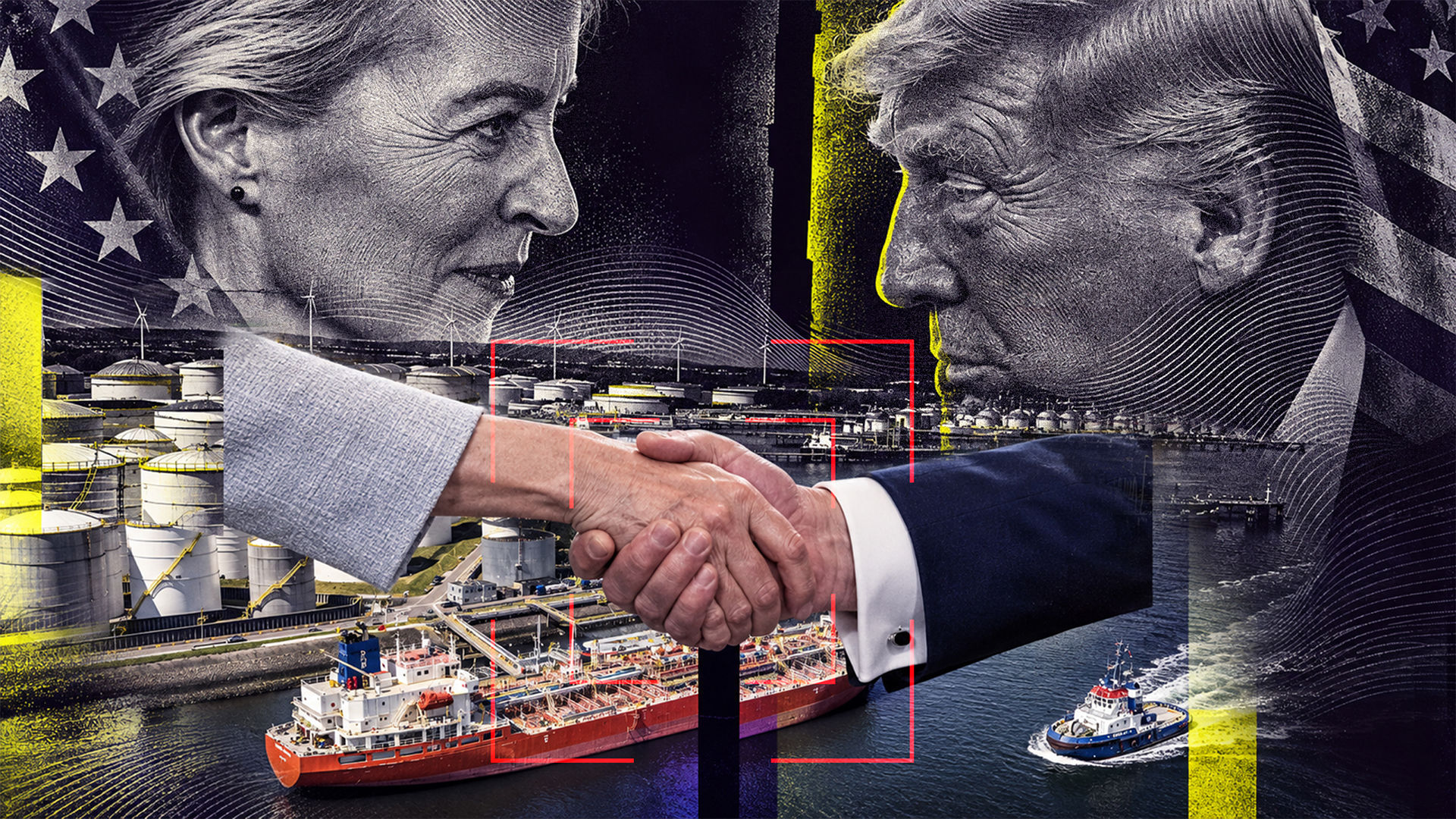
Europe’s reliance on U.S. energy exports was meant to insulate the continent from Russia-related risks. But it may result in new, potentially more powerful and dangerous vulnerabilities.
The reason is erratic conduct by US President Donald Trump, who has made the U.S. foreign policy line just as unpredictable. This is noted by Petras Katinas, Research Fellow in Climate, Energy and Defense at the Royal United Services Institute (RUSI Europe).
Since his first term in the White House, Trump has presented abundant U.S. energy exports as a source of economic and geopolitical leverage. And soon after his 2024 re-election but well before returning to office, he repeatedly encouraged European allies to replace Russian energy with U.S. supply.
Now Trump has changed his stance. Today he publicly admits the possibility of restricting diesel exports to Europe, claiming that he has asked his administration to examine the option.
The significance of the Trump administration’s potential move goes far beyond its immediate effect on diesel prices. Restricting exports during a global supply shock could lead America’s European allies to question the reliability of the USA as an energy supplier.
Republican lawmakers are putting strong pressure on the president ahead of November’s midterm elections to curb exports, as diesel prices soar to record highs in the USA.
National average diesel prices surpassed USD 6.50 a gallon on 22 September, a new high. And U.S. Treasury Secretary Scott Bessent confirmed officials were assessing ‘whether a full or partial ban would work’ without disrupting refinery capabilities.
But the policy dilemma for Washington is unusually painful.
On the one hand, an export restriction could provide some short-term political relief at home, where record diesel prices are hitting farmers, freight operators and consumers ahead of the midterms.
On the other hand, such a move would remove supply from an already tight international market precisely when U.S. exports are compensating for the decline in Russian and Middle Eastern availability.
In so doing, Washington would not only exacerbate the global shortage but also directly undermine a key argument underpinning U.S. energy diplomacy: that greater reliance on American supply must reduce geopolitical risks, not pose new ones.
If the USA, faced with difficulties in its domestic market, is determined to restrict exports, European politicians may come to perceive dependence on U.S. energy not only as a means of diversification, allowing them to reduce dependence on Russia and the Middle East, but also as a separate and stronger political risk.
All this is a vivid illustration of one simple truth that many politicians are careless enough to forget: the USA is not a political actor but a market player. When it comes to its own profit, America will readily do the dirty on its partner – no matter which one and at any time. And ability to show understanding is clearly not among Trump’s best qualities.
As Europe misplaced confidence in America on this sensitive fuel issue, it acted like a card shark’s victim who will not win in any case. The only solution is to quit this game as soon as possible. Will the European politicians be wise enough to understand this truth?
Original publication: https://www.rusi.org/explore-our-research/publications/commentary/europes-diesel-vulnerability-us-export-restrictions