







Read news
Add bookmark
POPULAR
How Much Do Experts’ Ideas Matter for the European Union’s Political Agenda?Oil? Gas? Fertilizer? Just Life.Kalypso Nicolaidis: I Want a Woodstock for European PoliticsThe Vile BanknoteThe Heirs And The Rest Of UsHow the “virtues” of neoliberal globalization paved the way to its demiseEuropean Union ChallengesEconomics And FinanceWill the Summer Never End? Is It the Only Problem the European Union Faces?Cold In Winter, Hot In Summer, Broke All Year
More than 41 million Europeans cannot afford to heat their homes, almost four in ten cannot keep them cool in summer, and the war with Iran has sent gas prices soaring just before winter. For millions of families, home is no longer a safe place.
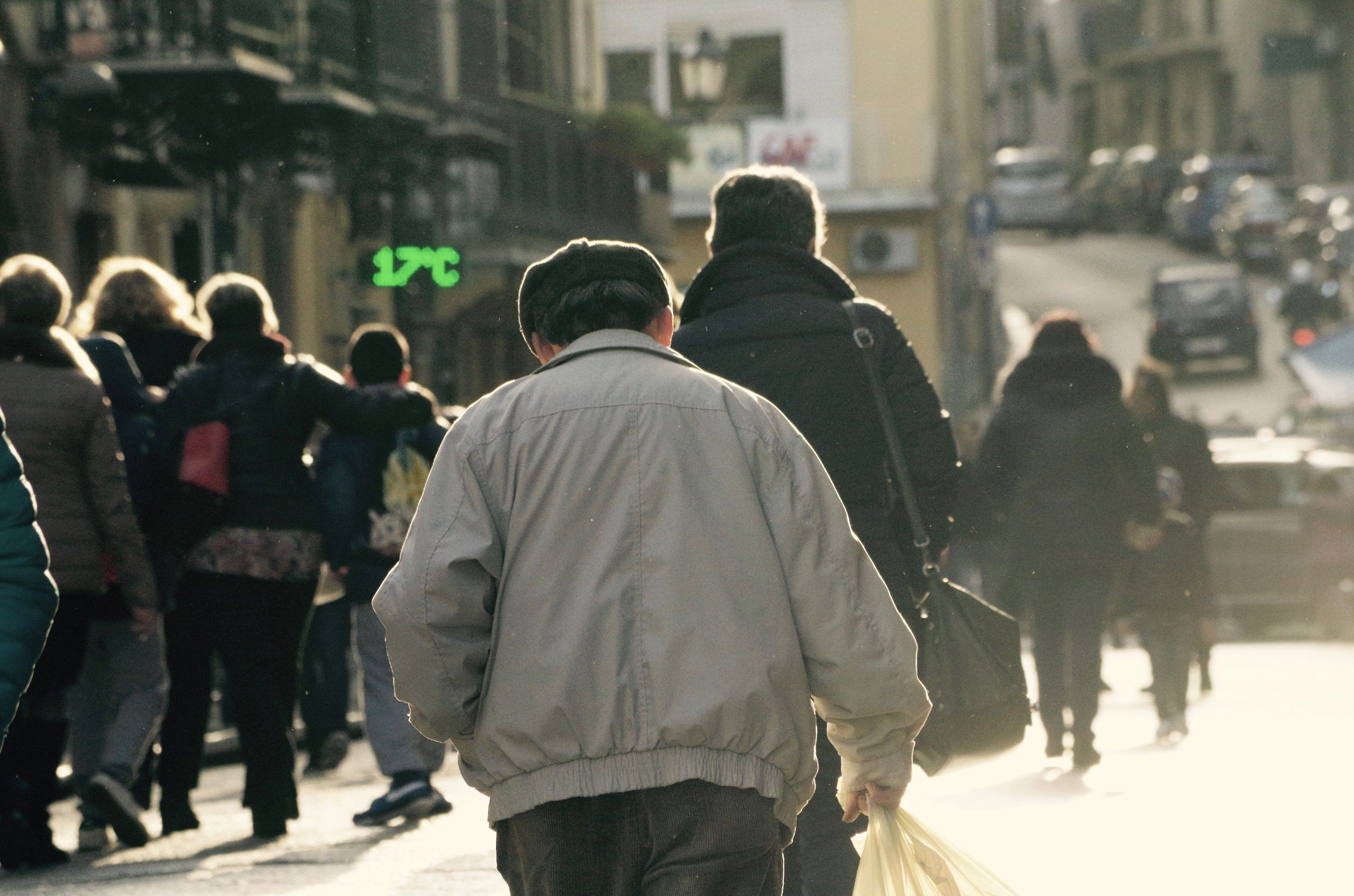
Every year, as autumn arrives, many people think how lovely a bit of extra chill is, given the conditions of this past summer; but little by little, they realize that as the temperatures drop, another problem arises , namely, heating the house, whilst the electricity bills arrive, bringing the summer’s charges, we must prepare for what the winter bill will be, given that gas prices are constantly rising, forcing most households to choose between essential goods and keeping their homes warmer in winter and cooler in summer.
Reading that has to be the official numbers and, according to Eurostat, in 2024 more than 41 million people in the European Union, 9.2% of the population, could not afford to keep their home warm enough. In Bulgaria and Greece there is almost one person in five; in Spain 8.5 million people, in France 8.1 million, in Italy more than 5 million. Someone in Brussels will tell me that the figure went down compared with 2023, and it’s true. But it was still far from the lowest levels of a few years ago, and above all, those numbers were collected before what happened this year. I am worried a lot also because of fuel prices, which are certainly different now from what they were in 2023
There are many reasons behind these price rises, which I think we are all aware of, namely, the shortage of renewable energy, our dependence on raw materials from outside the EU, the war with Iran and the shortage of Russian gas, perhaps these are among the main ones. By August, the price of gas in Europe had gone up more than 130% since January, and in September it went above 80 euros per megawatt-hour. Our gas storage was the emptiest ever recorded for that time of year: 57% full on August 1, when the target was 90%. The experts explain that household bills follow the wholesale market a few months later; which means the real bill will arrive this winter, exactly when we turn on the radiators. Of course, the first to bear the brunt are always the countries that are swept along by the decisions of others, such as Italy.
And then there is the summer, which nobody used to count. In a survey by Eurofound and the European Environment Agency, published in February and answered by more than 27,000 people in 27 countries, over 38% said they cannot afford to keep their home cool enough in summer. Thirty-eight percent. Almost four people out of ten sleeping badly, keeping the shutters down all day, sweating in apartments that turn into ovens.
The air conditioner might be there, but turning it on is another story. And heat is not just uncomfortable: for an elderly person living alone, or someone with heart or breathing problems, it can be deadly. In Italy, the CGIA in Mestre estimates that 2.4 million households; around 5.3 million people, are struggling to pay their electricity and heating bills, the majority of whom are in the south, once again highlighting the divide between north and south: in Puglia, the figure is 18 out of every 100 households, whilst in Calabria and Molise it is around 17.
Furthermore, a survey conducted by the Piepoli Institute on behalf of the network of local energy agencies reveals that six out of ten Italians have, at least once in the last year, gone without adequately heating or cooling their homes due to the costs. Unfortunately, six out of ten is more than half. Nine in ten say that energy bills place a heavy burden on the household budget. Those most affected are young people under 35 and those who have to shoulder household expenses.
Whilst pensioners living alone, young people paying rent for flats with single-glazed windows, and families living in old buildings where the walls let the cold in during January and the heat in during July, we are seeing more and more of these cases, and they are the ones who suffer the most.
The European Commission itself admits that the causes are always the same: low incomes, energy costs that are too high in relation to earnings, and homes that waste energy. Everyone knows this. But the solutions put forward, unfortunately, seem far too slow to keep pace with the growing hardship.
In Brussels and Rome, there is talk of funds, plans and building renovations; all very important words. I won’t deny it. The problem is that the renovated home will be ready in ten years’ time, if it ever is, whilst the energy bill arrives next month. I certainly agree, but we need to speed up certain processes to keep pace with climate change, allowing our residents to live in suitable homes , like the wonderful Europe I remember from its early days, not the one we’re experiencing now, which is run by the bank-obsessed elites who dominate the world and whose heirs certainly don’t give these matters a second thought.
Home should be a place where one feels safe, yet today, for millions of Europeans, it is a place where one freezes in winter and can’t breathe in summer. If this is the Europe of rights, someone ought to explain to me which ones.