







Read news
Add bookmark
POPULAR
How Much Do Experts’ Ideas Matter for the European Union’s Political Agenda?Oil? Gas? Fertilizer? Just Life.Kalypso Nicolaidis: I Want a Woodstock for European PoliticsThe Vile BanknoteThe Big Lie That Is Repeating ItselfBetter Regulation in the European Union Needs a Fresh StartU.S.-Israeli BlackmailUkraine: The Real Story That Has To Be Told To The PublicHow the “virtues” of neoliberal globalization paved the way to its demiseProtecting the Country and Deporting Migrants Versus Respect for Human Rights
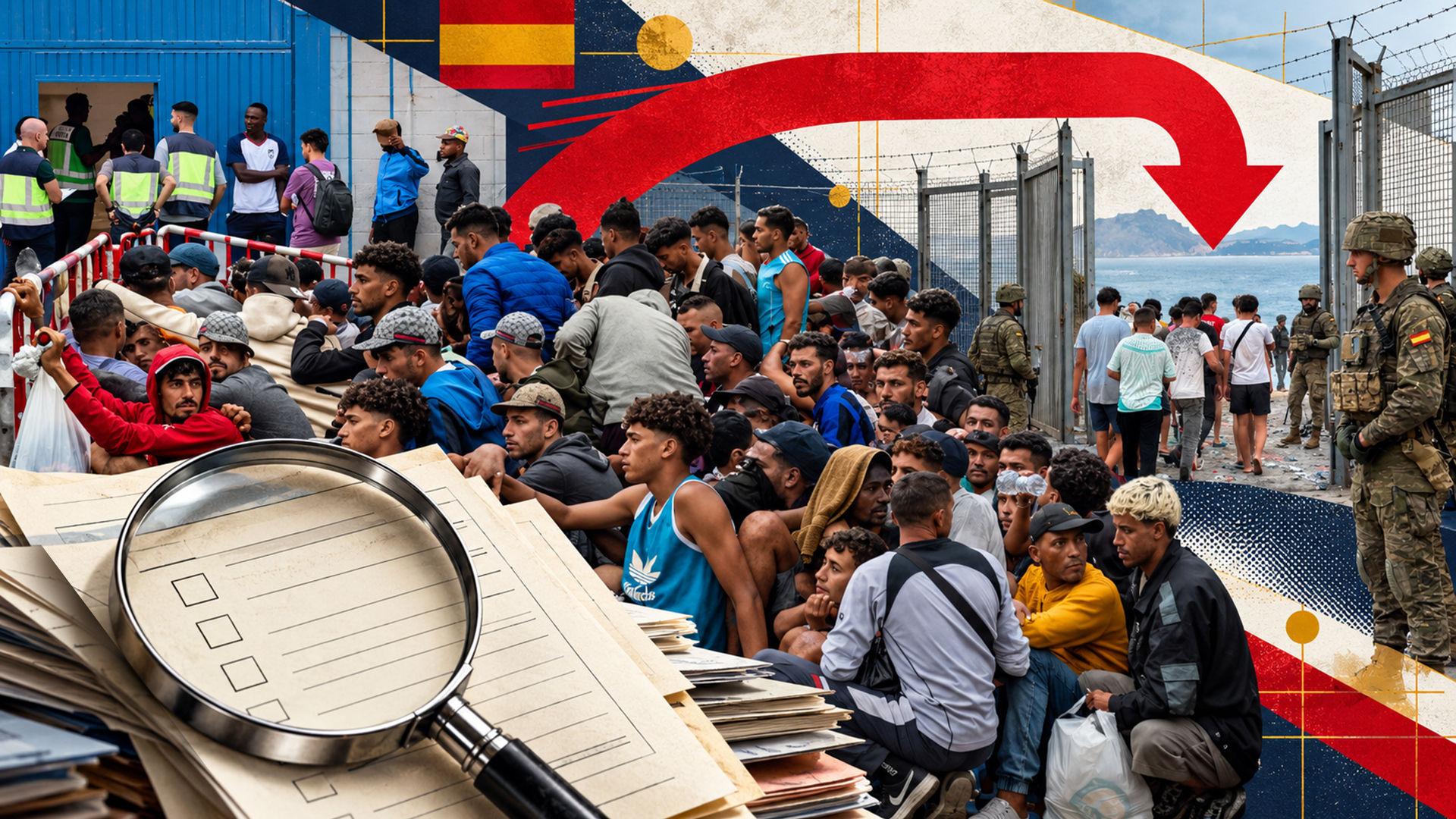
The migrant crisis that began in Ceuta in late July is putting pressure on the Spanish government. On the one hand, it has difficulty deporting migrants and heeding voters’ demands ahead of the parliamentary elections. On the other hand, human rights groups use EU legislation to defend the migrants’ rights, and insist they should be granted asylum.
Policy analyst Sana Khan cites examples of these two processes in her article posted on the Modern Diplomacy website.
The government is seeking to accelerate asylum procedures and encourage migrants considered ‘economic’ to return to Morocco. However, existing European rules require individual assessments of asylum claims. Although Morocco is designated a safe country of origin under EU rules, that classification does not automatically prevent Moroccan citizens from seeking international protection.
Andrea de Petris, an immigration expert at the Brussels-based think tank CEPN, has stressed that each applicant must receive an assessment of their personal circumstances. Such assessments can be lengthy and costly, particularly when authorities face a large backlog.
Humanitarian organizations have raised allegations that some migrants were pressured into returning to Morocco or deported without adequate explanation. At least nine non-governmental organizations have also alleged publicly that migrants they support were coerced into returning. Asociación Elin said Sudanese and Chadian migrants were deported without warning.
Spain’s Interior Minister Fernando Grande-Marlaska has rejected allegations of covert deportations, describing the returns as voluntary. The government said this week that approximately 12,000 people had chosen to return since mid-August, while up to 1,200 asylum applications had been received and 700 resolved.
Police union representative Raúl Piera said that only around 100 migrant cases were being registered daily as of October 14, citing shortages of personnel and functioning computers. The union estimated that approximately 7,000 to 8,000 migrants could still be scattered across the enclave, although the government has declined to confirm this.
The pressure is also affecting healthcare. Doctors in Ceuta’s only hospital have been treating migrants for scabies, tuberculosis and gastrointestinal infections associated with prolonged periods outdoors. At least seven women gave birth during the crisis.
Last week, eight charities, including Oxfam and Amnesty International, filed a complaint with Spain’s ombudsman alleging serious rights violations in Ceuta. The complaint included allegations of forced returns involving migrants from conflict-affected countries and inadequate access to interpreters and legal assistance.
While Prime Minister Pedro Sánchez’s government insists that its response respects human rights, humanitarian organizations warn that accelerating returns could leave vulnerable migrants without adequate protection.
The government is trying to manage the backlog ahead of a snap election scheduled for November 29. However, families waiting for medical treatment, young people fearing persecution and migrants fleeing conflict remain dependent on a system struggling to process their cases.
The crisis ultimately raises a broader question for Europe: can governments accelerate migration enforcement without compromising the individual protections that underpin the right to seek asylum?
Original publication: https://moderndiplomacy.eu/2026/10/19/can-spain-speed-up-migrant-deportations-without-violating-asylum-rights/