





Read news
Add bookmark
POPULAR
How Much Do Experts’ Ideas Matter for the European Union’s Political Agenda?The Vile BanknoteOil? Gas? Fertilizer? Just Life.Kalypso Nicolaidis: I Want a Woodstock for European PoliticsThe Big Lie That Is Repeating ItselfHow the “virtues” of neoliberal globalization paved the way to its demiseOne Could Ask Oneself ‘What The Hell Is Going On In Europe’Europe is going down like the Titanic because it has learned nothing from its pastThe Heirs And The Rest Of UsWhat is the Value of Money? How Much Does it Influence our Daily Lives?
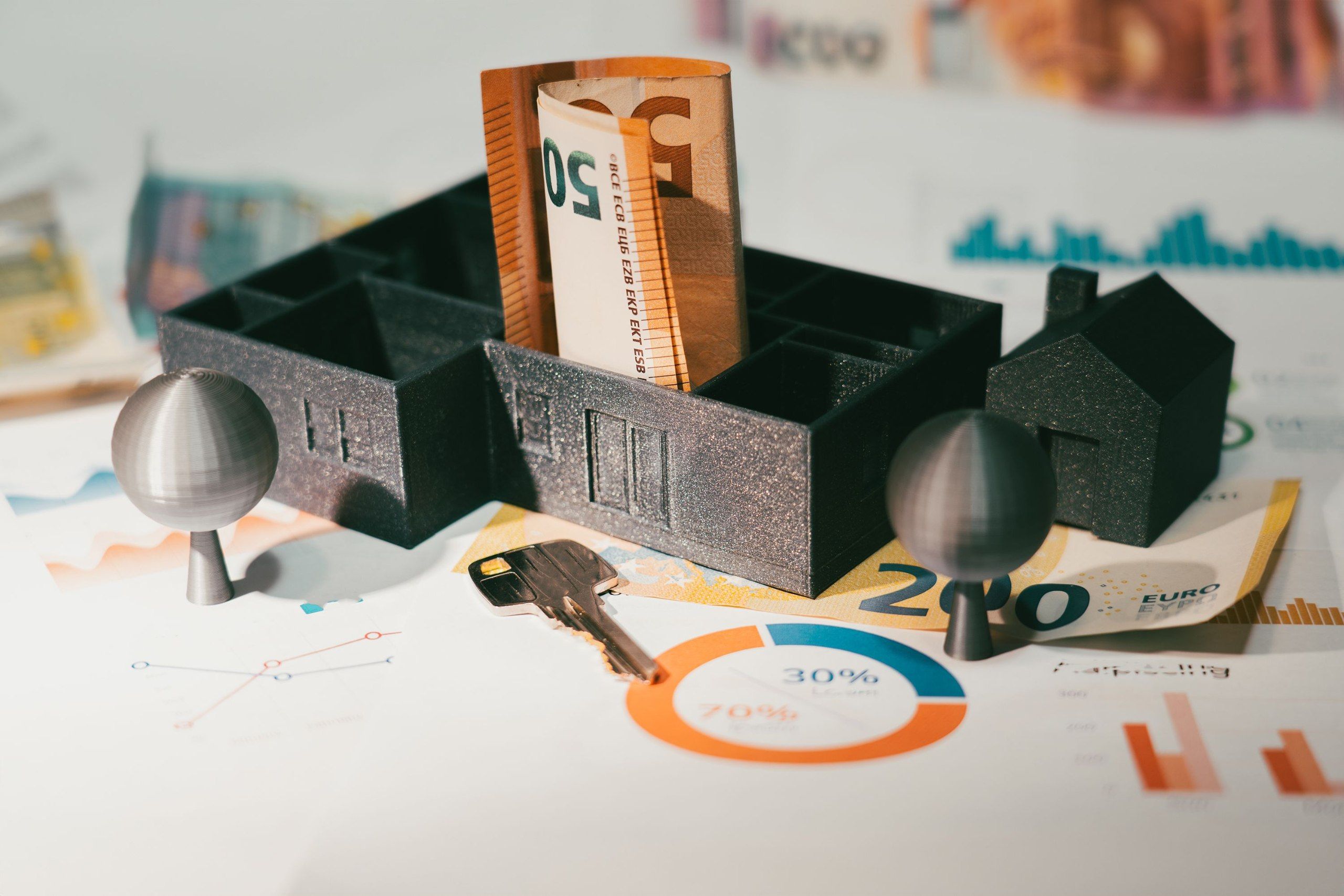
Lately, there’s been a lot, and I mean a lot, of talk about money because of problems with energy costs; healthcare, in turn, always seems to be reserved for the wealthiest people, and yet no one wants to talk about it.
That’s just how healthcare works: the wait times for an appointment are so long that if you really need to see a doctor, you end up going to the same doctor but through a private practice, and that, of course, costs a lot, especially when you consider average salaries.
In a distant memory, having a home provided by the government was something within reach; moreover, in towns like that, these buildings are located just a few meters from the historic city center, and thanks to this, their value has increased significantly.
And since we live in a world where “I think of myself, and you worry about yourself,” many city councils sell these buildings to private individuals, and so people who don’t have a home end up on the streets, sleeping in a car, or worse yet, evicted, supposedly to move into new housing provided by the municipality, but located far from where they used to live.
This is only part of the problem. If these people then decide they want to rent a home, it would be impossible given the prices of the very same homes where they used to live; which now cost six times as much; a situation that is repeated in all European capitals and major cities.
The main point is that money is needed to ensure we can live a dignified life; with the right to health care, housing, and the ability to eat and heat or cool our homes in a dignified manner. And this is where everything gets complicated because, with these resources lacking, such services are now becoming a luxury.
Moreover, for those who have always struggled; making them increasingly poor and unable to escape this cycle; these are the very people trying to rise above that precarious situation. Yet instead of increasing, their chances are dwindling, making everything even more complicated; and precariousness certainly only leads to more precariousness.
We wonder why they’re out in the streets looking for something, some kind of security, but also for the young people who feel that the future for them practically doesn’t exist as such: buying a home, starting a family, finding a job. Of course, times have changed, and jobs are evolving every day, cutting into opportunities as well.
And this is where it seems to me that we’re experiencing a second industrial revolution, but in a worse way, given the deforestation to build power plants and the massive data storage required to boost AI capabilities. But are we really sure about what we’re doing?
We are setting aside humanity to listen to computer systems that, when used by humans themselves, are bound to lead to evil outbursts. As we see with most technology, it is used for war, to drop bombs and create instability, while the common good is always pushed aside.
People don’t have children out of fear of the fate that awaits them; those few who manage, or try, to see beyond what the media presents wonder if this world can truly offer new people a chance.
We’re so distracted and confused, and, unfortunately, this isn’t the first time I’ve written this, that we’re accepting so many things happening right before our eyes without doing anything to change them. We see injustices and remain indifferent; our society is becoming increasingly selfish, and we’d rather stay home and talk through an app than interact with real people.
Social media, which in theory were supposed to bring people closer together, have instead made them lonelier, more selfish, less informed, and far more indifferent to what’s truly happening in this world.
We only know what we’re told, and it’s clear that taxpayer money, which is supposed to guarantee a home, a job, and a pension, as well as free healthcare for everyone, is starting to run into problems: struggling schools, waiting lists for medical appointments that can stretch to a year, and waiting lists for housing or jobs that can last for years.
If we were all to stop and start over from scratch, I fear things would change very little, since if we’ve reached this point, it’s entirely, and nothing but, our own fault.