







Read news
Add bookmark
POPULAR
How Much Do Experts’ Ideas Matter for the European Union’s Political Agenda?Oil? Gas? Fertilizer? Just Life.Kalypso Nicolaidis: I Want a Woodstock for European PoliticsHow the “virtues” of neoliberal globalization paved the way to its demiseEurope More Wary of New Members Than Ready to ChangeEnergy Protectionism Without EnergyThe Gulf War and Europe’s Helpless Energy PolicyEU Enlargement: The State of PlayEU Enlargement No Longer a Story of Success
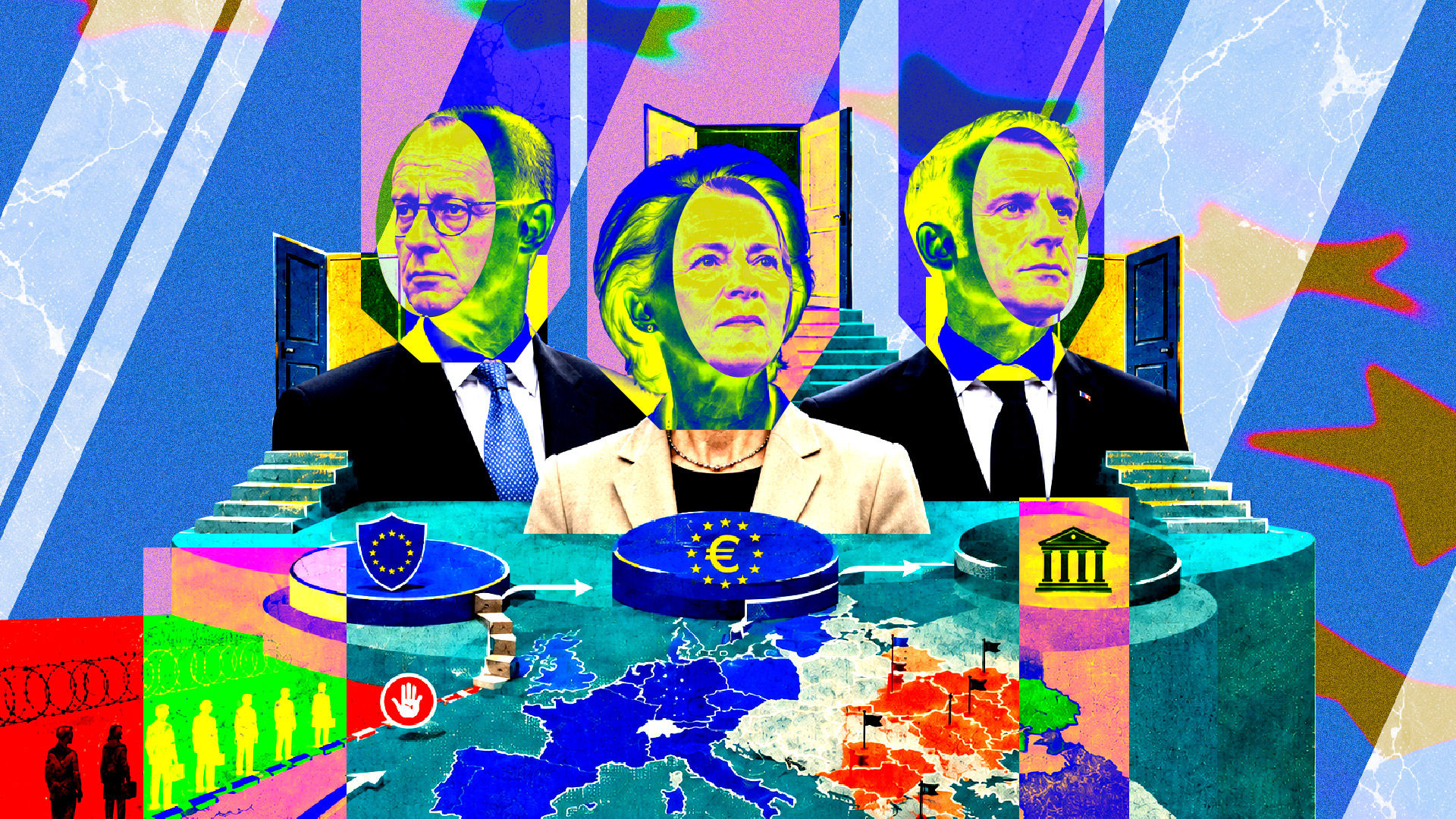
European élites want the European Union to enlarge, but candidate countries disappoint them. Many in the EU are unwelcoming to new residents in the European house, too, while candidate countries’ societies are tired of waiting out in the rain.
Víctor Burguete, senior researcher at the Barcelona Centre for International Affairs (CIDOB), inquires into the EU enlargement process of the 2020s.
Only two countries are likely to join the EU in the short term: Montenegro and perhaps Albania. Montenegro is already in sight of the finish line: it has provisionally closed 16 of the 33 accession chapters. But it is the smallest State among the new members and candidates, with a population of a little over half a million and an economy entirely dependent on tourism.
Albania ranks second, with all negotiating chapters open. But it is currently facing the largest social protests since the fall of communism, which highlights doubts about the rule of law and the fight against corruption in the country.
The remaining candidates from the Western Balkans are unlikely to reach the finish line. Serbia's process has stalled due to a lack of progress in reforming the judiciary, media regulation, electoral legislation, and normalizing relations with Kosovo. Most of its citizens believe the country will never join the EU.
North Macedonia has changed its name and national symbols to begin negotiations, but is being required to amend its constitution again to recognize the Bulgarian minority before the first chapter can begin. Kosovo has not been recognized by five member States. The negotiating process has not yet begun with Bosnia and Herzegovina, where ethnic tensions could worsen following the resignation of the European High Representative for the country.
Moldova and Ukraine opened their first round of negotiations in June but they still have a long way to go. Many countries, including members of the Visegrád Group, are unwilling to offer shortcuts to the Ukrainian candidacy.
In this situation France and Germany, at the EU-Western Balkans Summit held in Tivat, Montenegro, in June 2026, jointly proposed transforming the process of joining the European Union. Their objective is for candidate countries to gradually and differentially access the benefits of EU membership as they advance with reforms and finalize negotiation chapters. In the event of a democracy backslide or other setbacks, such as failure to align with EU foreign policy, these benefits could be reversed.
The benefits include participation in European institutions, but without voting rights. Thus, in its proposal, Germany recently expressed what many EU capitals privately believe: that future member States should not have veto power until key institutional reforms have been implemented in the EU, such as the introduction of qualified majority voting in most policy areas.
The main risk of institutionalizing this model would be the creation of first- and second- class members in Europe, where most candidate countries would never achieve full membership.
However, given the difficulties in implementing the internal reforms necessary to accommodate the enlargement, bilateral vetoes and the lack of public support in countries like France, which require referendums for new members, the most likely alternative would be to prolong the current deadlock, frustration, and fatigue in the candidate countries’ societies.
Given this scenario, the Franco-German proposal represents a pragmatic approach to keeping candidate countries anchored within the European orbit and preventing process fatigue from pushing them to seek other partners, such as China, Russia, or the USA.
Víctor Burguete’s analysis suggests that the EU enlargement trends have switched from mutual expectations of accession and EU enlargement to just holding countries that increasingly disregard the European Union’s norms and values within its orbit.
Original publication: https://www.cidob.org/en/publications/futuro-ampliacion-europea-carrera-diferenciada-por-etapas