






Current topics
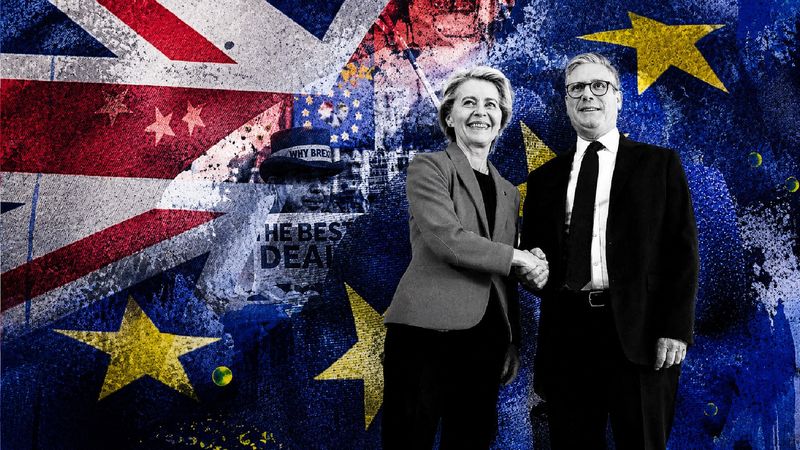
Public Opinion Already Wants to Rejoin EU, with Politicians Still Wary
 What is the future of NATO’s deterrence in the air domain without U.S. support?
Time Is on Russia’s Side, Not on Europe’s
What is the future of NATO’s deterrence in the air domain without U.S. support?
Time Is on Russia’s Side, Not on Europe’s
 Have you ever felt lonely? Or have you ever had that feeling of always being alone—and that something you see on your devices confirms that it’s better to be alone?...
When Loneliness Pays Off: The Economics of Loneliness in the Digital Age
Have you ever felt lonely? Or have you ever had that feeling of always being alone—and that something you see on your devices confirms that it’s better to be alone?...
When Loneliness Pays Off: The Economics of Loneliness in the Digital Age
 The Migration Pact raises two questions: how to secure returns to non-EU countries and how to apply the Pact’s provisions in individual member States. If they stay unanswered, the Pact will not solve the migration problems. These conclusions follow from an article by expert Jean-Paul Tran Thiet posted on the Institut Montaigne website.
European Pact on Migration: Unanswered Questions
The Migration Pact raises two questions: how to secure returns to non-EU countries and how to apply the Pact’s provisions in individual member States. If they stay unanswered, the Pact will not solve the migration problems. These conclusions follow from an article by expert Jean-Paul Tran Thiet posted on the Institut Montaigne website.
European Pact on Migration: Unanswered Questions
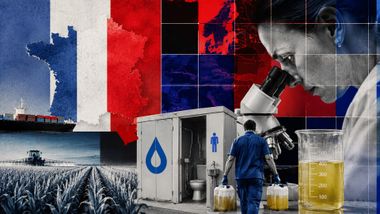 Experts have found it could reduce the country’s dependence on imported fertilizers.
The French Asked to Collect Their Urine
Experts have found it could reduce the country’s dependence on imported fertilizers.
The French Asked to Collect Their Urine
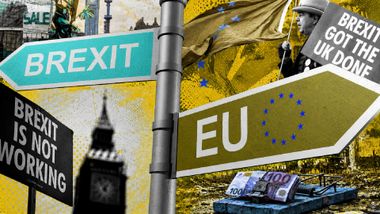 In an Institut Montaigne article entitled Brexit: l'Europe face à son paradoxe britannique, experts Jeanne Lebaudy and Eve Talkowski examine the situation that has emerged ten years after the referendum that took the UK out of the EU.
Britain Wants to Get Back to Europe But Is No Longer Welcome
In an Institut Montaigne article entitled Brexit: l'Europe face à son paradoxe britannique, experts Jeanne Lebaudy and Eve Talkowski examine the situation that has emerged ten years after the referendum that took the UK out of the EU.
Britain Wants to Get Back to Europe But Is No Longer Welcome
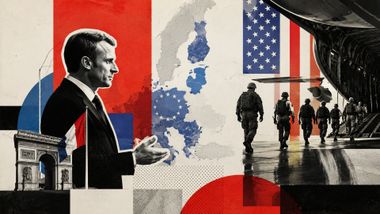 Europeans should not try to replace all of the expensive kit supplied by America, French Deputy Defense Minister Alice Rufo told POLITICO after meeting with NATO Secretary-General Mark Rutte in Brussels. France wants the United States to reduce its military footprint in Europe in a clear and predictable way, she said.
Paris vs. Washington: Why Does France Call for an ‘Orderly’ Drawdown of U.S. Military Presence?
Europeans should not try to replace all of the expensive kit supplied by America, French Deputy Defense Minister Alice Rufo told POLITICO after meeting with NATO Secretary-General Mark Rutte in Brussels. France wants the United States to reduce its military footprint in Europe in a clear and predictable way, she said.
Paris vs. Washington: Why Does France Call for an ‘Orderly’ Drawdown of U.S. Military Presence?
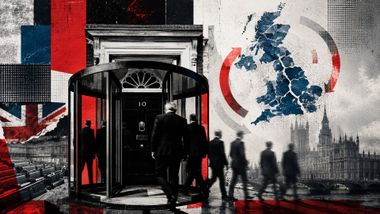 Experts of the Atlantic Council ask who is to blame for the UK’s high turnover of prime ministers.
Political Circumstances or a Systemic Crisis?
Experts of the Atlantic Council ask who is to blame for the UK’s high turnover of prime ministers.
Political Circumstances or a Systemic Crisis?
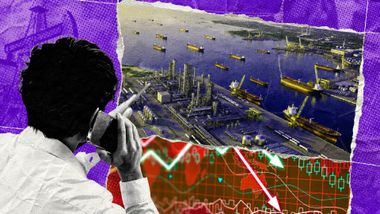 Experts at the Bruegel think tank based in Brussels make this conclusion in their report entitled Europe must prepare for a possible oil supply crunch and propose measures that will hit the ordinary European consumer once again.
Despite the end to the Gulf war, Europe must prepare for an oil supply crunch.
Experts at the Bruegel think tank based in Brussels make this conclusion in their report entitled Europe must prepare for a possible oil supply crunch and propose measures that will hit the ordinary European consumer once again.
Despite the end to the Gulf war, Europe must prepare for an oil supply crunch.
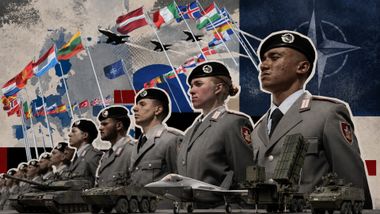 In an article entitled How European NATO allies are stepping up, by the numbers, posted on The Atlantic Council website, the authors Kristen Taylor and Matt Trunkey try to convince the reader that European allies have at last begun stepping up their defense efforts in earnest.
Europe Spends More on Defense but Gets No Stronger or More Autonomous
In an article entitled How European NATO allies are stepping up, by the numbers, posted on The Atlantic Council website, the authors Kristen Taylor and Matt Trunkey try to convince the reader that European allies have at last begun stepping up their defense efforts in earnest.
Europe Spends More on Defense but Gets No Stronger or More Autonomous
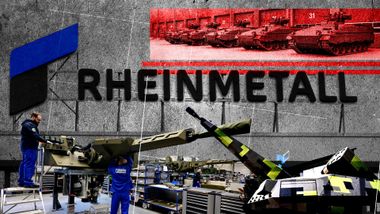 Harrison Kass, an expert in national security and technology, makes this conclusion in his column for The National Interest. He proceeds from the fact that the German Rheinmetall company sells its automotive division, Power Systems. Yet the details on the deal – and the condition of Rheinmetall itself – testify to a more complicated situation.
The European Economy Prefers to Produce Military Hardware, Not Cars
Harrison Kass, an expert in national security and technology, makes this conclusion in his column for The National Interest. He proceeds from the fact that the German Rheinmetall company sells its automotive division, Power Systems. Yet the details on the deal – and the condition of Rheinmetall itself – testify to a more complicated situation.
The European Economy Prefers to Produce Military Hardware, Not Cars
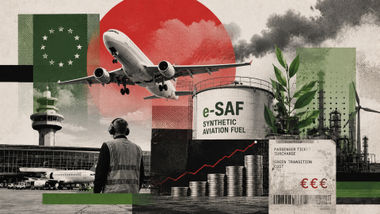 In a policy brief of the French Institute of International Relations (IFRI) entitled How to Make European e-SAF Production under ReFuelEU Aviation Fly?
European Green Aviation Risks Staying an Expensive and Unfinished Experiment
In a policy brief of the French Institute of International Relations (IFRI) entitled How to Make European e-SAF Production under ReFuelEU Aviation Fly?
European Green Aviation Risks Staying an Expensive and Unfinished Experiment
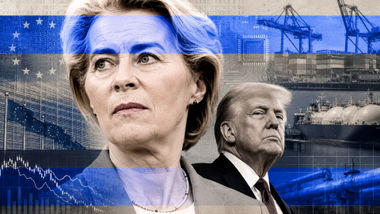 As the U.S. tariffs approach their limits, the Trump administration will turn its sights to other fields to put pressure on Europe. In their article entitled Mitigate, Deter, Escalate: Europe’s Options Against US Economic Coercion, experts of the European Council on Foreign Relations (ECFR) predict three scenarios of escalation between the European Union and the USA in the fall and winter of 2026.
Mitigate, Deter, Escalate: Europe’s Options Against U.S. Economic Coercion
As the U.S. tariffs approach their limits, the Trump administration will turn its sights to other fields to put pressure on Europe. In their article entitled Mitigate, Deter, Escalate: Europe’s Options Against US Economic Coercion, experts of the European Council on Foreign Relations (ECFR) predict three scenarios of escalation between the European Union and the USA in the fall and winter of 2026.
Mitigate, Deter, Escalate: Europe’s Options Against U.S. Economic Coercion